The Best Fluffy Pancakes recipe you will fall in love with. Full of tips and tricks to help you make the best pancakes.

Few drinks in the world are as visually striking and culturally rich as Kashmiri Pink Tea, also known locally as Noon Chai. With its rosy color, creamy texture, unique salty-sweet flavor, and aromatic spices, this traditional beverage is more than just a drink—it’s an experience. Originating from the breathtaking valleys of Kashmir, this hot pink tea has traveled across borders, charming tea lovers with its beautiful hue and comforting warmth.
Unlike typical Western tea recipes, preparing authentic Noon Chai involves a unique brewing technique that transforms simple green tea leaves into a deep burgundy concentrate, which—when mixed with milk—turns wonderfully pink. The magic lies in slow simmering, aerating the tea, and activating the chlorophyll and tannins with baking soda, which reacts during the boiling process to deepen the color.
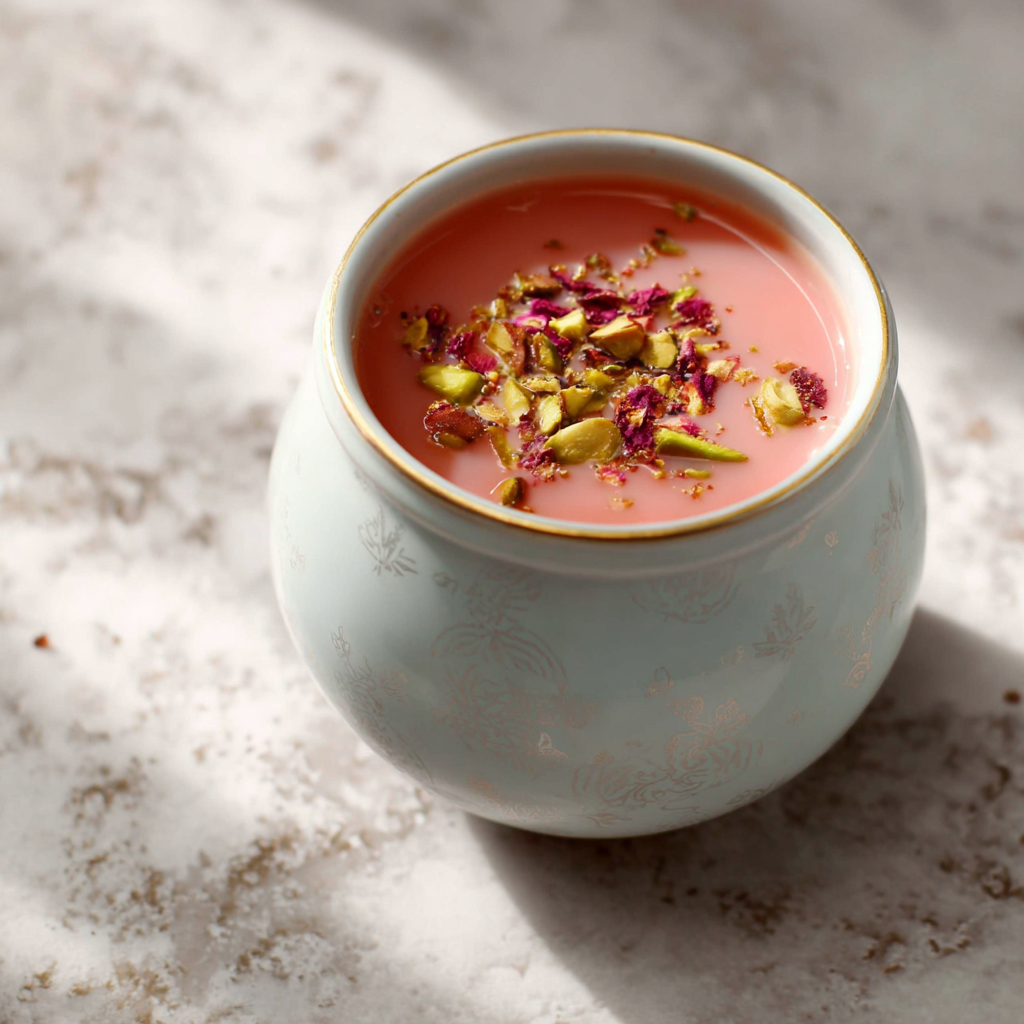
This recipe is meant to be fully approachable, deeply flavorful, and crafted to help you achieve that authentic Kashmiri pink color at home even if you’re using everyday pantry ingredients. Whether you want a cozy winter drink, a stunning beverage for guests, or a soothing cup to pair with baked treats, this Noon Chai recipe will guide you step-by-step.
Let’s take a journey into the art, tradition, and cozy beauty of Kashmiri Pink Tea.
A Bit of History – Why Noon Chai Is So Special
Noon Chai has been a staple in Kashmiri households for centuries. Served during breakfast, family gatherings, weddings, and festive occasions, this tea symbolizes hospitality and warmth. The word “noon” comes from the Kashmiri and Persian word for salt, which is traditionally added to the tea—giving it a subtly savory undertone.
In the past, Noon Chai was made using Kashmiri green tea leaves, which are long, rolled leaves distinct from the standard gunpowder tea found elsewhere. The pink shade was considered a mark of skill and patience in brewing. Today, even with modern shortcuts, Noon Chai remains a beloved cultural treasure.
What Makes This Tea Pink?
Three key factors:
1. Green Tea + Baking Soda Reaction
Baking soda raises the pH level and helps extract anthocyanins—pigments that turn red/purple.
2. Long Simmering + Aeration
Boiling the tea repeatedly and whisking or pouring between pots deepens the color.
3. Adding Milk at the End
Milk blends with the burgundy tea concentrate and transforms it into a beautiful pink.
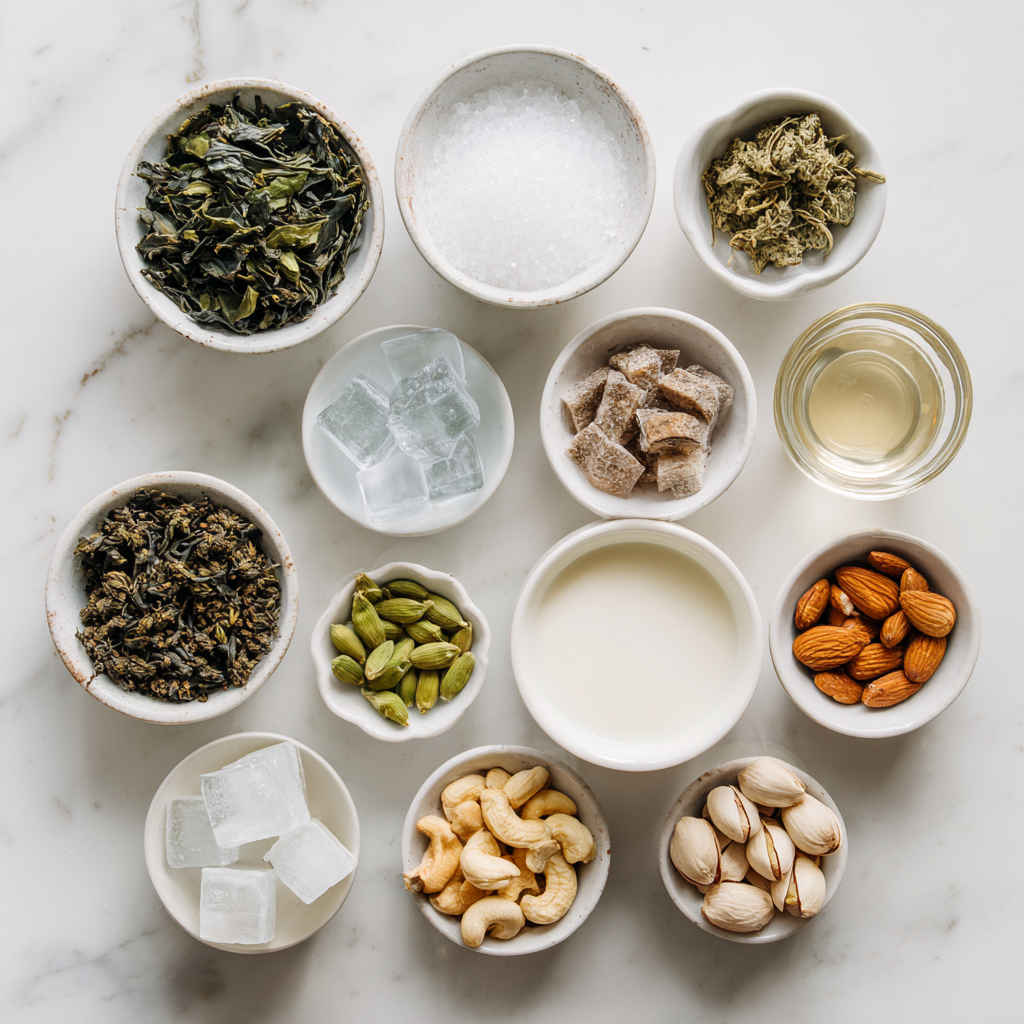
Ingredients
For the Pink Tea Base (Qahwa):
- 2 tbsp Kashmiri green tea leaves (or gunpowder green tea)
- ½ tsp baking soda
- 3 cups water
- 4–5 green cardamom pods
- Pinch of salt (traditional)
- Ice cubes (optional but helpful for color)
To Finish:
- 2 cups milk (whole milk preferred for color and creaminess)
- Sugar or honey to taste
- Crushed pistachios or almonds for garnish
Instructions
1. Make the Tea Base (Qahwa)
In a pot, add water, green tea leaves, cardamom pods, salt, and baking soda. Bring to a rolling boil.
2. Aerate the Tea
Reduce heat and simmer for 10–15 minutes, whisking occasionally. For deeper color, scoop the tea with a ladle and pour it back into the pot repeatedly.
3. Add Ice (Optional Trick)
Add 3–4 ice cubes and boil again. This temperature shock enhances the deep burgundy color.
4. Strain the Concentrate
Strain the tea base and discard the leaves. You should have a reddish or deep rose-colored liquid.
5. Add Milk
Add milk to the strained qahwa. Simmer gently (do not boil too harshly) until it turns a creamy pink.
6. Sweeten & Serve
Add sweetener to taste. Pour into cups and garnish with nuts.
Expert Tips for Perfect Noon Chai
1. Use Whole Milk for the Best Pink Color
Reduced-fat milk produces a lighter shade.
2. Salt Is Traditional
But you can adjust based on preference—some Kashmiri households add a pinch of both sugar and salt for balanced flavor.
3. Aeration Is Not Optional
Pouring and whisking helps oxygenate the tea, resulting in a richer pink.
4. Don’t Add Milk Too Early
Milk stops the chemical reaction needed for the pink color.
5. Use Real Green Tea
Black tea will not work.
Flavor Variations
1. Sweet “Dessert” Noon Chai
Skip the salt, add sugar, and top with whipped cream or rose petals.
2. Nutty Noon Chai
Add ground pistachios into the milk for a richer drink.
3. Spiced Pink Tea
Add cinnamon or cloves for a winter-friendly version.
4. Vegan Noon Chai
Use oat milk or almond milk—oat milk produces the best color.
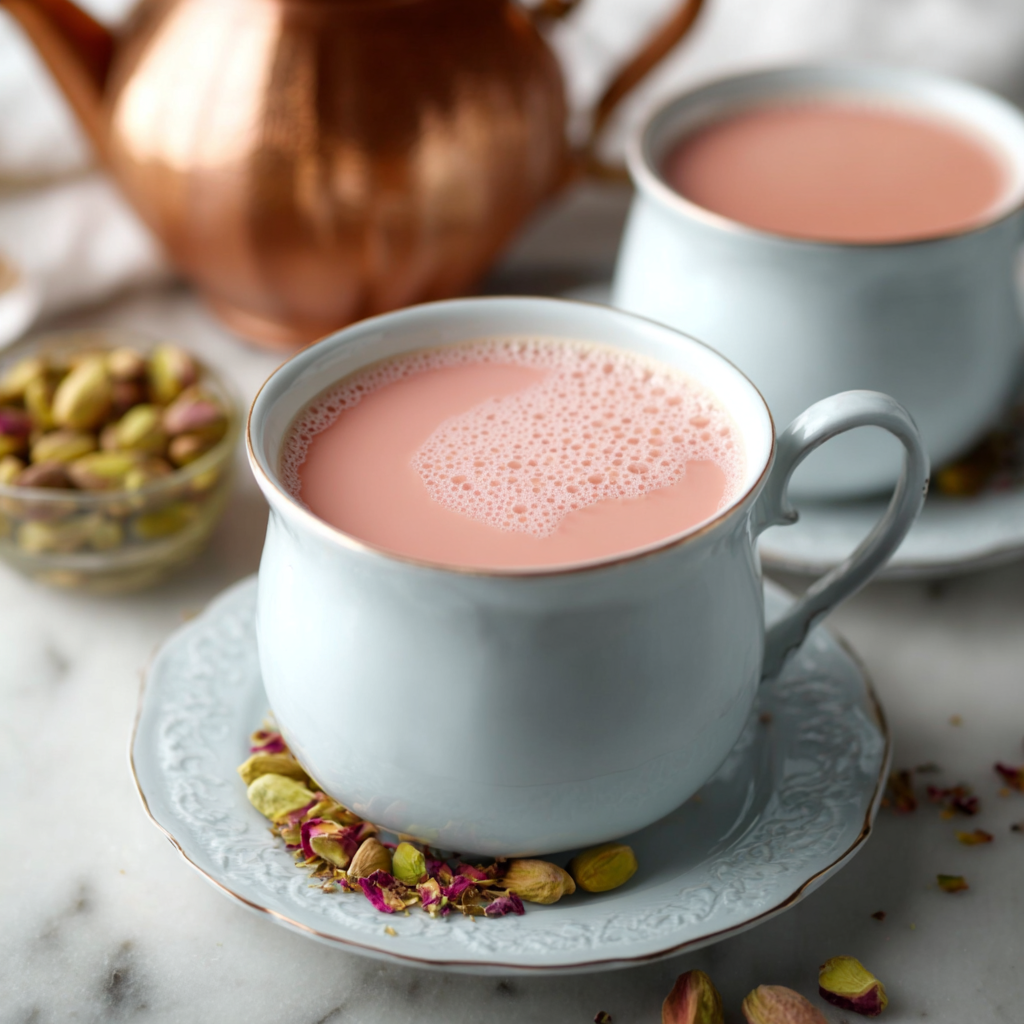
Serving Suggestions
- Serve with naan, kulcha, or bakery bread
- Pair with almond cookies or pistachio biscotti
- Serve warm during winter gatherings
- Offer alongside Kashmiri sweets during festivals
Noon Chai is also a beautiful drink to present at brunches or cozy evening setups.
Storage & Make-Ahead Tips
- Refrigerate the tea concentrate (qahwa) for up to 3 days
- Add fresh milk when reheating
- Do not freeze (milk changes color/texture)
Kashmiri Pink Tea (Noon Chai)
A stunning, creamy, rosy-hued traditional Kashmiri tea made with green tea, baking soda, milk, and aromatic spices.
Ingredients
Equipment
Method
- Add water, green tea leaves, cardamom, baking soda, and salt to a pot and bring to a boil.
- Simmer for 10–15 minutes, whisking or pouring between pots to aerate the tea.
- Add a few ice cubes and boil again to deepen the burgundy color.
- Strain the tea base and discard the leaves.
- Add milk to the tea base and simmer until it turns pink.
- Sweeten to taste, pour into cups, and garnish with nuts.
Notes
Aeration and slow simmering are essential for achieving the signature pink color.
Fun Facts
- In Kashmir, Noon Chai is often served in traditional samovars, metal urns designed for slow brewing.
- The pink color has inspired cultural art, poems, and festive rituals.
- Noon Chai is also known as Sheer Chai, meaning “milk tea.”