The Best Fluffy Pancakes recipe you will fall in love with. Full of tips and tricks to help you make the best pancakes.

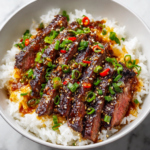
Authentic Spicy Drunken Noodles, known in Thailand as Pad Kee Mao, are one of the most iconic and beloved street-food dishes in Thai cuisine. Bold, fiery, aromatic, and unapologetically intense, this noodle stir-fry delivers deep umami flavor with every bite. Wide rice noodles are tossed in a sizzling wok with garlic, chilies, savory sauces, fresh vegetables, and fragrant Thai basil, creating a dish that is both rustic and refined.
Despite its name, Pad Kee Mao contains no alcohol at all. The “drunken” reference traditionally implies that the dish is so flavorful and spicy that it pairs perfectly with a cold drink, or that it is the kind of food one might crave late at night after socializing. Over time, the name has become synonymous with heat, boldness, and comfort.
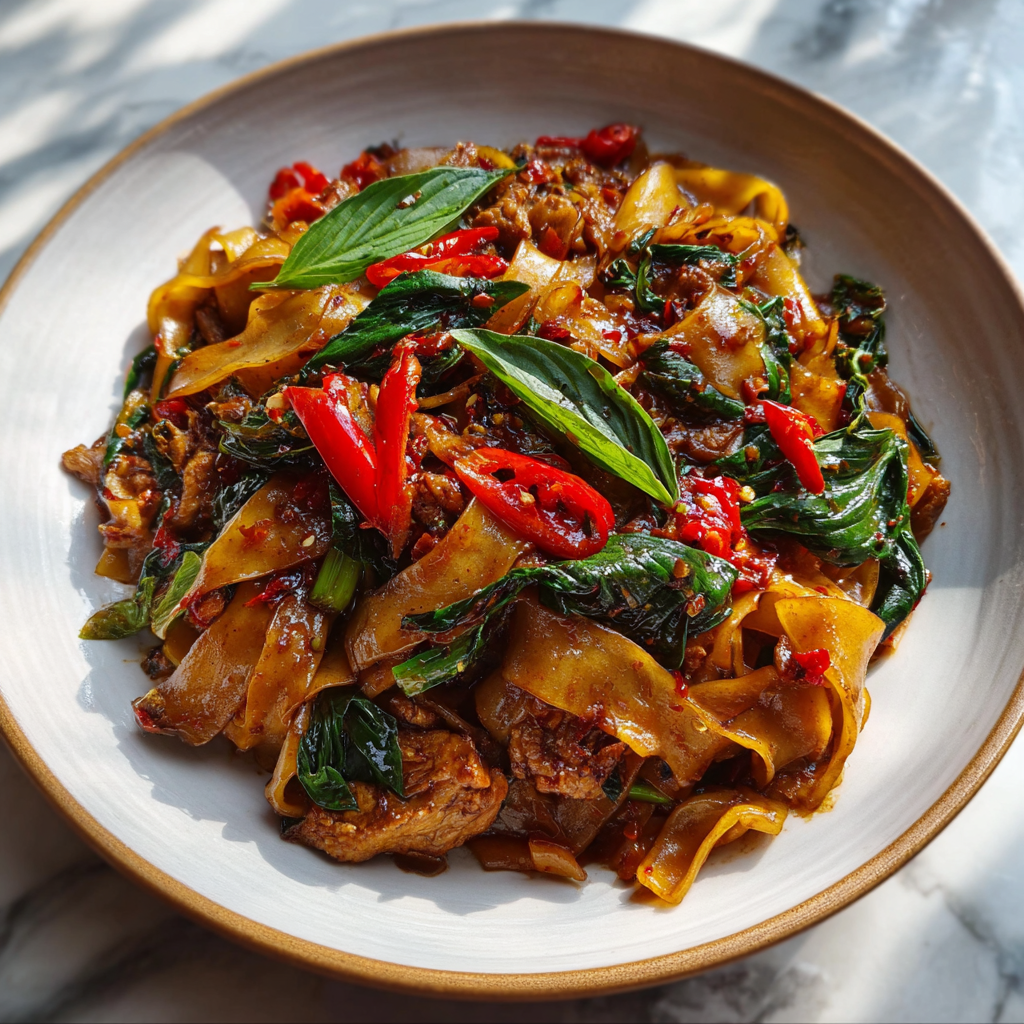
This recipe focuses on authentic technique and flavor, not watered-down versions. The spice level is real, the basil is essential, and the sauces are balanced to reflect true Thai cooking rather than overly sweet or mild interpretations. If you are looking for restaurant-quality Thai drunken noodles that taste like they came straight from a Bangkok street stall, this is the recipe you want.
What Makes Pad Kee Mao Authentic
Authenticity in Pad Kee Mao comes down to a few non-negotiable elements:
- Wide rice noodles, not thin ones
- Fresh Thai basil, not Italian basil
- High heat stir-frying, preferably in a wok
- Bold chili-garlic flavor, not toned down
- Savory, salty, umami-forward sauce, never sugary
Unlike Pad Thai, drunken noodles are not sweet-forward. The flavor profile leans savory and spicy, with herbal freshness from basil and a slight smokiness from wok cooking. The noodles should be tender yet chewy, coated in sauce without being soggy.
Ingredients
Drunken Noodles
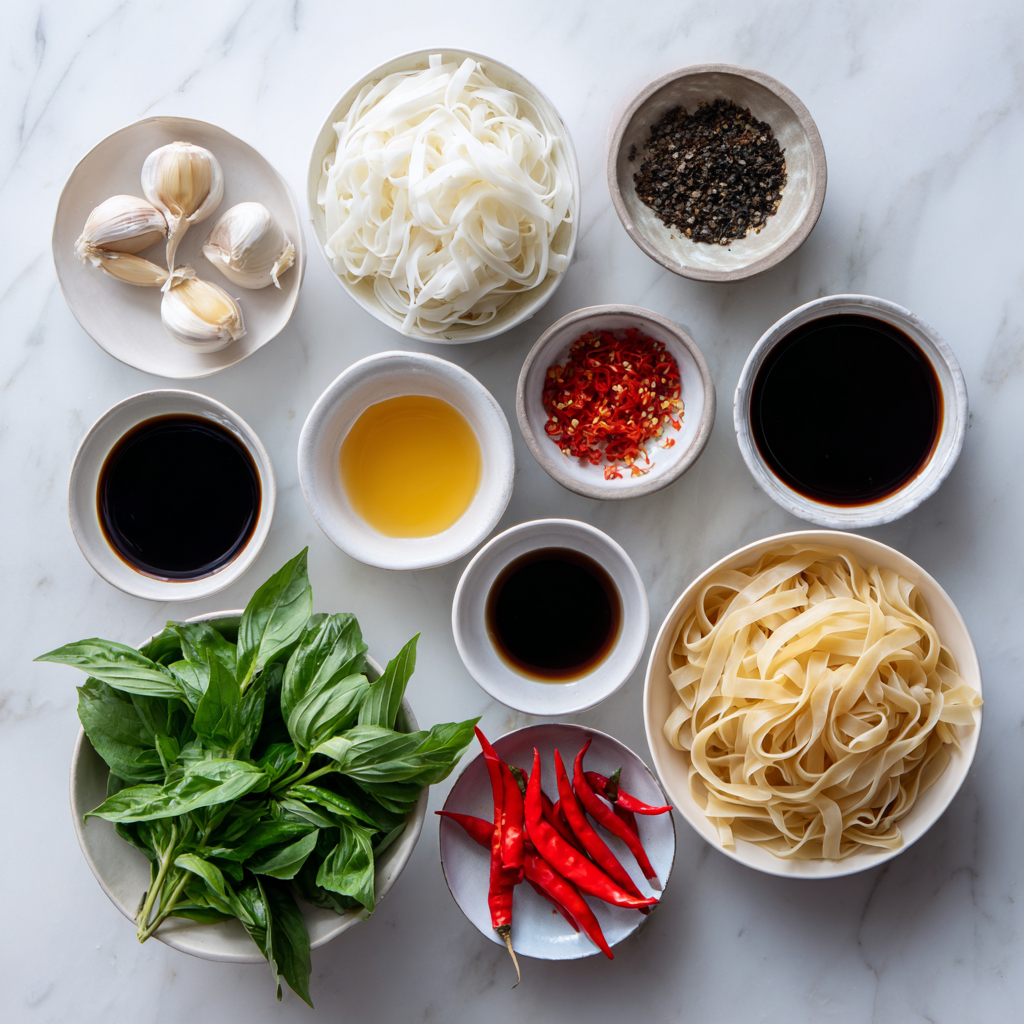
- 12 oz wide rice noodles (fresh preferred, dried acceptable)
- 2 tbsp vegetable oil
- 6 cloves garlic, finely chopped
- 3–6 Thai bird’s eye chilies, crushed (adjust to taste)
- 8 oz beef, chicken, pork, shrimp, or tofu, sliced thin
- 1 cup bell peppers, sliced
- 1 cup onion, sliced
- 1 cup Chinese broccoli or regular broccoli
- 1 ½ cups fresh Thai basil leaves
Sauce
- 1 ½ tbsp oyster sauce
- 1 tbsp soy sauce
- 1 tbsp fish sauce
- 1 tsp dark soy sauce (for color)
- ½ tsp sugar (optional, just to balance)
Instructions
- Cook rice noodles according to package directions until just tender. Drain and set aside.
- In a small bowl, mix oyster sauce, soy sauce, fish sauce, dark soy sauce, and sugar. Set aside.
- Heat a wok or large skillet over high heat until very hot.
- Add oil, then immediately add garlic and crushed chilies. Stir-fry for 10–15 seconds until fragrant.
- Add protein and cook quickly until just done. Remove and set aside if needed to prevent overcooking.
- Add vegetables and stir-fry for 1–2 minutes until crisp-tender.
- Add noodles and prepared sauce. Toss vigorously to coat noodles evenly.
- Return protein to the wok and stir-fry for another 30 seconds.
- Turn off heat and immediately fold in Thai basil until just wilted.
- Serve hot.
Spice Level Control (Without Ruining Authenticity)
Pad Kee Mao is meant to be spicy, but you can control the heat intelligently:
- Use fewer bird’s eye chilies for moderate heat
- Remove chili seeds for slightly less intensity
- Add chili paste instead of fresh chilies for smoother heat
Avoid replacing chilies with bell peppers or sweet sauces, as this changes the dish entirely.
Protein Variations
- Beef: Rich and hearty, traditional in many regions
- Chicken: Light and widely popular
- Shrimp: Classic coastal Thai variation
- Tofu: Excellent vegetarian option when paired with extra basil
Vegetable Options
Authentic versions often vary by season. You can include:
- Baby corn
- Green beans
- Mushrooms
- Snow peas
The key is quick cooking and maintaining texture.
Thai Basil: Why It Matters
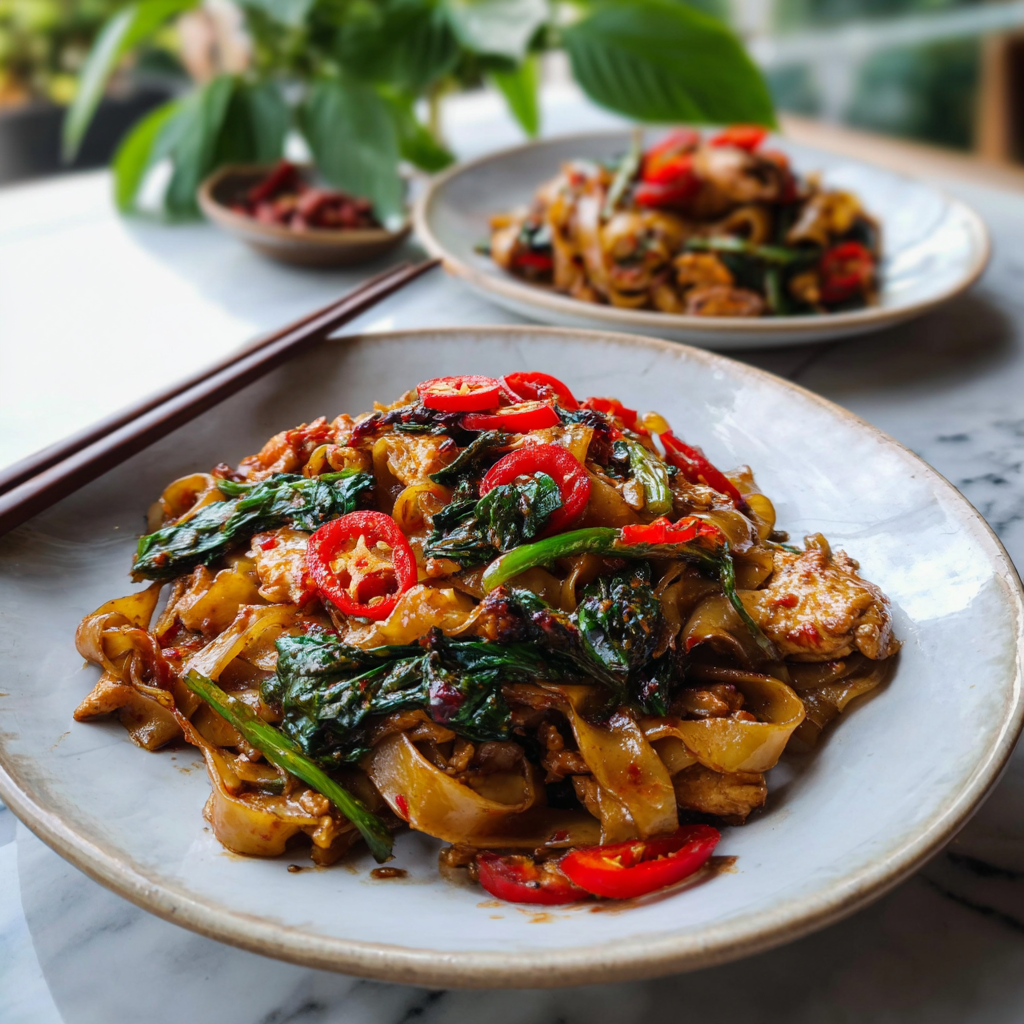
Thai basil is essential to authentic drunken noodles. Its slightly peppery, anise-like flavor defines the dish. Sweet basil or Italian basil changes the flavor profile significantly and should only be used if Thai basil is absolutely unavailable.
Serving Suggestions
Serve Pad Kee Mao:
- As a standalone main dish
- With lime wedges on the side
- With crushed chili flakes or chili vinegar
- Alongside a simple cucumber salad
It is best enjoyed immediately while hot.
Storage and Reheating
- Store leftovers in the refrigerator for up to 2 days
- Reheat quickly in a hot pan, not the microwave
- Add a splash of water or oil to loosen noodles
Cultural Context and Fun Facts
Pad Kee Mao is a street-food staple across Thailand, often cooked late at night for workers, travelers, and night owls. Each vendor has their own balance of heat and sauce, making every version slightly unique. The dish represents Thai cooking philosophy: balance, freshness, intensity, and respect for ingredients.
Why This Recipe Works
This recipe respects traditional technique while remaining accessible to home cooks. High heat, fast cooking, and proper ingredient balance ensure noodles that are flavorful, not greasy, and intensely satisfying.
Authentic Spicy Drunken Noodles
Traditional Thai Pad Kee Mao made with wide rice noodles, bold chili-garlic sauce, Thai basil, and savory umami flavor.
Ingredients
Equipment
Method
- Cook rice noodles according to package directions until just tender. Drain and set aside.
- In a small bowl, mix oyster sauce, soy sauce, fish sauce, dark soy sauce, and sugar. Set aside.
- Heat a wok or large skillet over high heat until very hot.
- Add oil, then garlic and crushed chilies. Stir-fry 10–15 seconds until fragrant.
- Add protein and stir-fry until just cooked. Remove and set aside if needed.
- Add vegetables and stir-fry 1–2 minutes until crisp-tender.
- Add noodles and sauce. Toss vigorously to coat noodles evenly.
- Return protein to the wok and stir-fry another 30 seconds.
- Turn off heat and fold in Thai basil until just wilted.
- Serve hot immediately.
Notes
Use Thai basil for authentic flavor and cook over high heat for best results. Adjust chili quantity to taste for heat level.