The Best Fluffy Pancakes recipe you will fall in love with. Full of tips and tricks to help you make the best pancakes.

There’s something extraordinary about a Thanksgiving turkey that is perfectly tender, deeply flavorful, and beautifully golden. But for many home cooks, turkey can be intimidating — it’s large, it dries out easily, and achieving perfect seasoning all the way through isn’t always simple. Enter the Easy Buttermilk Brined Turkey, a method that guarantees your bird will be moist, tender, and packed with flavor without requiring culinary expertise. Whether you’re hosting your very first Thanksgiving or you’re the unofficial Turkey Captain of your family, this recipe delivers consistent, crowd-pleasing results every single time.
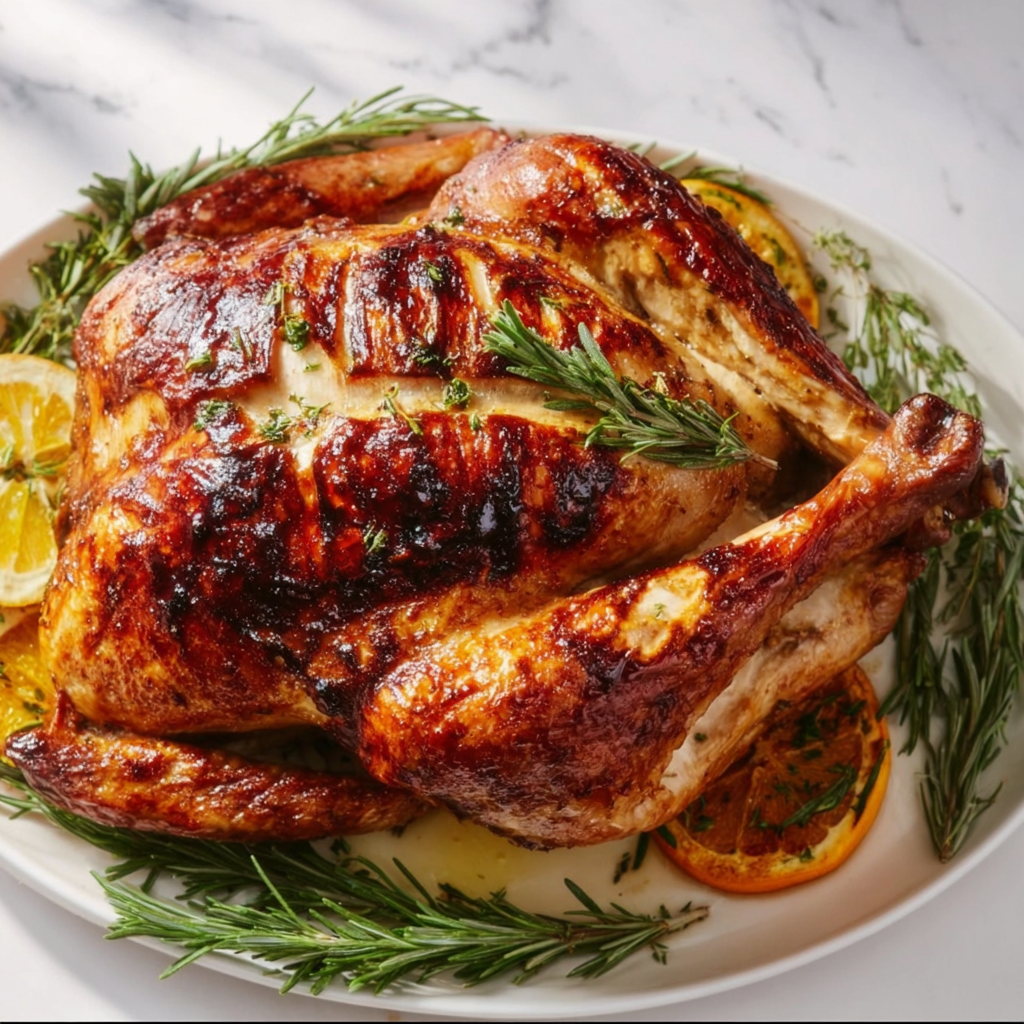
Buttermilk brining is an age-old technique that transforms even the leanest poultry into something buttery and luscious. In this comprehensive guide, you’ll learn what makes buttermilk such a magical ingredient, how to brine your turkey safely and effectively, and how to roast it to crisp-skinned perfection. We’ll also explore tips, variations, storage guidance, and serving suggestions to help you create a Thanksgiving feast your guests will talk about for years.
Why Buttermilk Makes the Best Turkey Brine
If you’ve ever used buttermilk when roasting chicken or making fried chicken, you know exactly what kind of miracle worker it is. Buttermilk isn’t just a flavor enhancer; it’s a texture transformer. Its natural acidity gently breaks down muscle fibers, while its thickness helps it adhere to the turkey’s skin and flesh, ensuring a complete and even brine.
Here’s what buttermilk brings to the table:
- Tenderness: Buttermilk’s mild acidity starts the tenderizing process without turning the meat mushy.
- Deep Moisture Retention: Salt penetrates the turkey, helping the meat hold onto moisture during roasting.
- Enhanced Flavor: Herbs, spices, and aromatics meld beautifully into the brine, infusing every bite.
- Golden, Crisp Skin: The sugars and dairy solids promote better browning for picture-perfect roast turkey skin.
Unlike complex wet brines filled with gallons of water or challenging dry brines that require multiple steps, this buttermilk brine is incredibly simple and hands-off — making it perfect for busy Thanksgiving hosts.
Ingredients
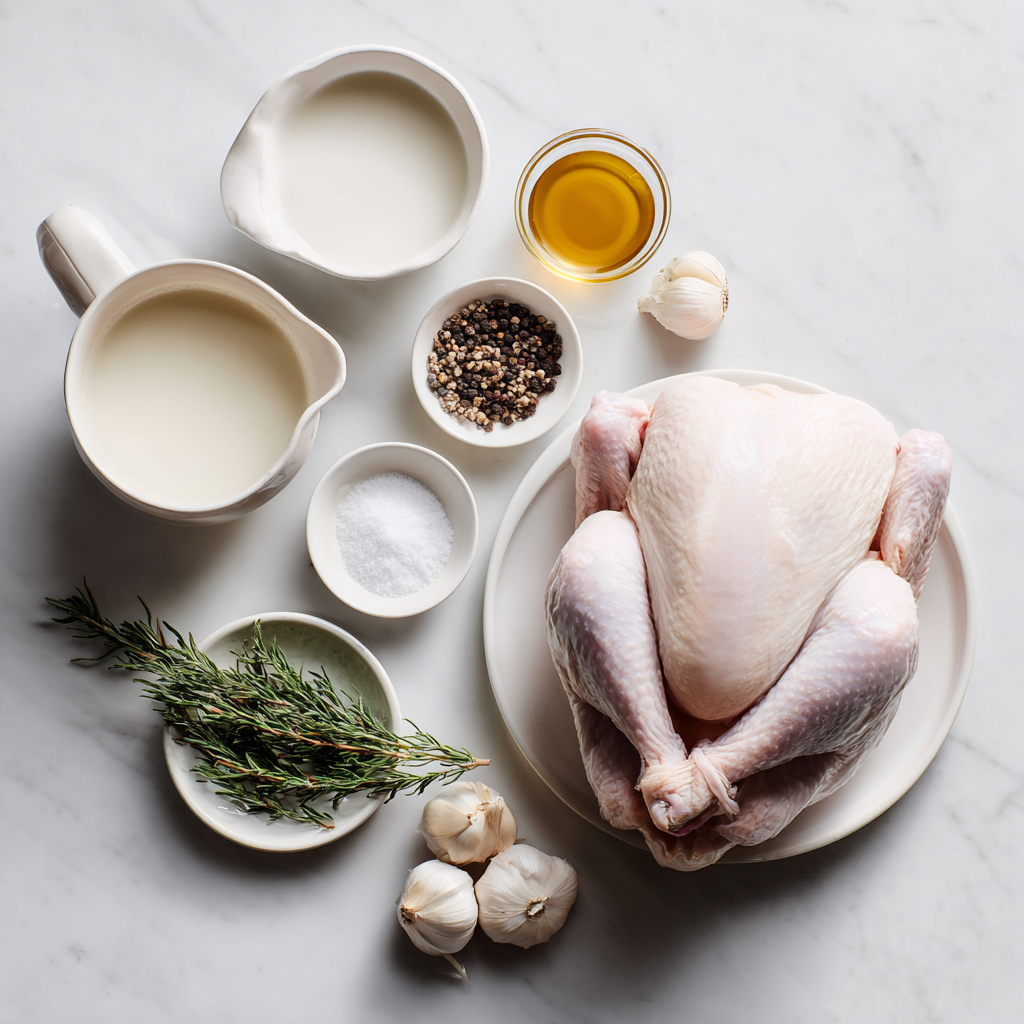
For the Buttermilk Brine
- 6 cups buttermilk
- 1 cup kosher salt
- ¼ cup granulated sugar
- 1 tablespoon black peppercorns
- 1 tablespoon crushed garlic (about 5 cloves)
- 4 fresh bay leaves
- 6–8 sprigs fresh thyme
- 1 tablespoon smoked paprika (optional for color and flavor)
For the Turkey
- 1 whole turkey (12–14 lbs), thawed if frozen
- 3 tablespoons olive oil or melted butter
- 1 teaspoon salt
- 1 teaspoon black pepper
- 1 teaspoon garlic powder
- 1 teaspoon onion powder
- Fresh herbs for stuffing cavity (thyme, rosemary, sage), optional
- 1 halved onion + 1 halved lemon for aromatics (optional)
Instructions
1. Prepare the Brine
In a large mixing bowl, whisk together the buttermilk, kosher salt, sugar, peppercorns, garlic, bay leaves, and thyme. Ensure the salt dissolves completely before using the brine.
2. Brine the Turkey
Pat the turkey dry with paper towels. Place it in a large brining bag or deep container. Pour the buttermilk brine over the turkey, ensuring it is fully submerged. Seal and refrigerate for 24 hours (up to 36 hours for extra juiciness).
3. Dry and Prep the Turkey
Remove turkey from the brine and discard used brine. Pat the turkey completely dry — this is crucial for crispy skin. Rub olive oil or melted butter all over the turkey, including under the skin if possible. Season with salt, pepper, garlic powder, and onion powder. Stuff cavity with herbs, lemon, and onion if using.
4. Roast the Turkey
Preheat oven to 325°F (165°C). Place the turkey breast-side up on a rack inside a large roasting pan. Roast for 3 to 3.5 hours, depending on size. Tent with foil if the skin browns too quickly. Turkey is done when breast reads 165°F (74°C) and thigh reads 175°F (80°C).
5. Rest and Serve
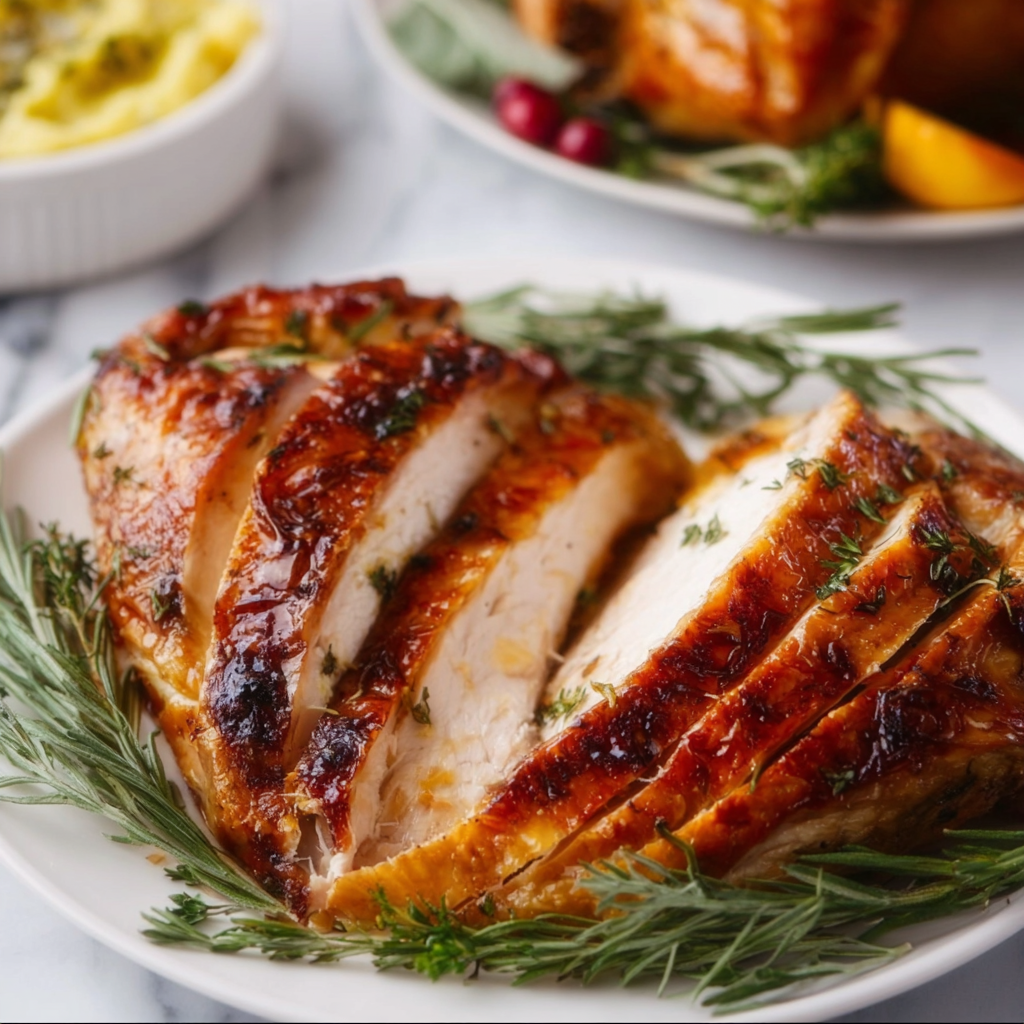
Let the turkey rest for 20–30 minutes before carving to allow juices to redistribute. Slice and serve warm with your favorite Thanksgiving sides.
Tips for Perfect Results
- Don’t rinse the turkey after brining — simply pat dry. Rinsing spreads bacteria and reduces seasoning.
- Use kosher salt only — table salt is too strong and can break the brine.
- Brine in the refrigerator — never at room temperature.
- Use a roasting rack to keep the bottom skin from steaming and turning soggy.
- Let the turkey dry in the fridge for 2–4 hours before roasting for even crispier skin.
Variations
Spicy Cajun Buttermilk Turkey:
Add Cajun seasoning and hot sauce to the brine.
Citrus-Herb Buttermilk Turkey:
Add orange zest, lemon zest, and rosemary.
Maple Buttermilk Turkey:
Swap sugar for 2 tablespoons maple syrup in the brine.
Serving Suggestions
This turkey pairs beautifully with:
- Classic mashed potatoes
- Green bean casserole
- Homemade cranberry sauce
- Buttery dinner rolls
- Cornbread stuffing
- Roasted root vegetables
For a festive presentation, garnish the serving platter with fresh herbs, sliced citrus, and pomegranate seeds.
Easy Buttermilk Brined Turkey
A tender, juicy, flavor-packed turkey brined in buttermilk for the perfect Thanksgiving dinner.
Ingredients
Equipment
Method
- Whisk buttermilk, salt, sugar, peppercorns, garlic, bay leaves, and thyme to make brine.
- Place turkey into brining bag and cover fully with buttermilk brine. Refrigerate 24 hours.
- Remove turkey, discard brine, and pat dry completely.
- Rub turkey with olive oil or butter and season with salt, pepper, garlic powder, and onion powder.
- Roast turkey at 325°F (165°C) for 3 to 3.5 hours or until internal temp reaches 165°F.
- Rest turkey 20–30 minutes before carving and serving.
Notes
Allowing the turkey to dry in the fridge before roasting helps create extra crispy skin.
Storage & Leftovers
Store leftover turkey in airtight containers in the fridge for up to 4 days.
Turkey also freezes well for up to 3 months when stored in freezer-safe bags.