The Best Fluffy Pancakes recipe you will fall in love with. Full of tips and tricks to help you make the best pancakes.

In the world of healthy eating and vibrant cuisines, few dishes capture the essence of freshness and simplicity quite like Arabic chopped salad. This classic Middle Eastern staple, often referred to as “salata” in Arabic, is a celebration of crisp vegetables, aromatic herbs, and a zesty dressing that brings everything together in perfect harmony. If you’re searching for an arabic chopped salad recipe that’s easy to make, nutritious, and bursting with flavor, you’ve come to the right place. This middle eastern salad recipe is not only a fantastic side dish but can also stand alone as a light meal, making it ideal for busy weeknights, summer gatherings, or anyone following a mediterranean chopped salad-inspired diet.
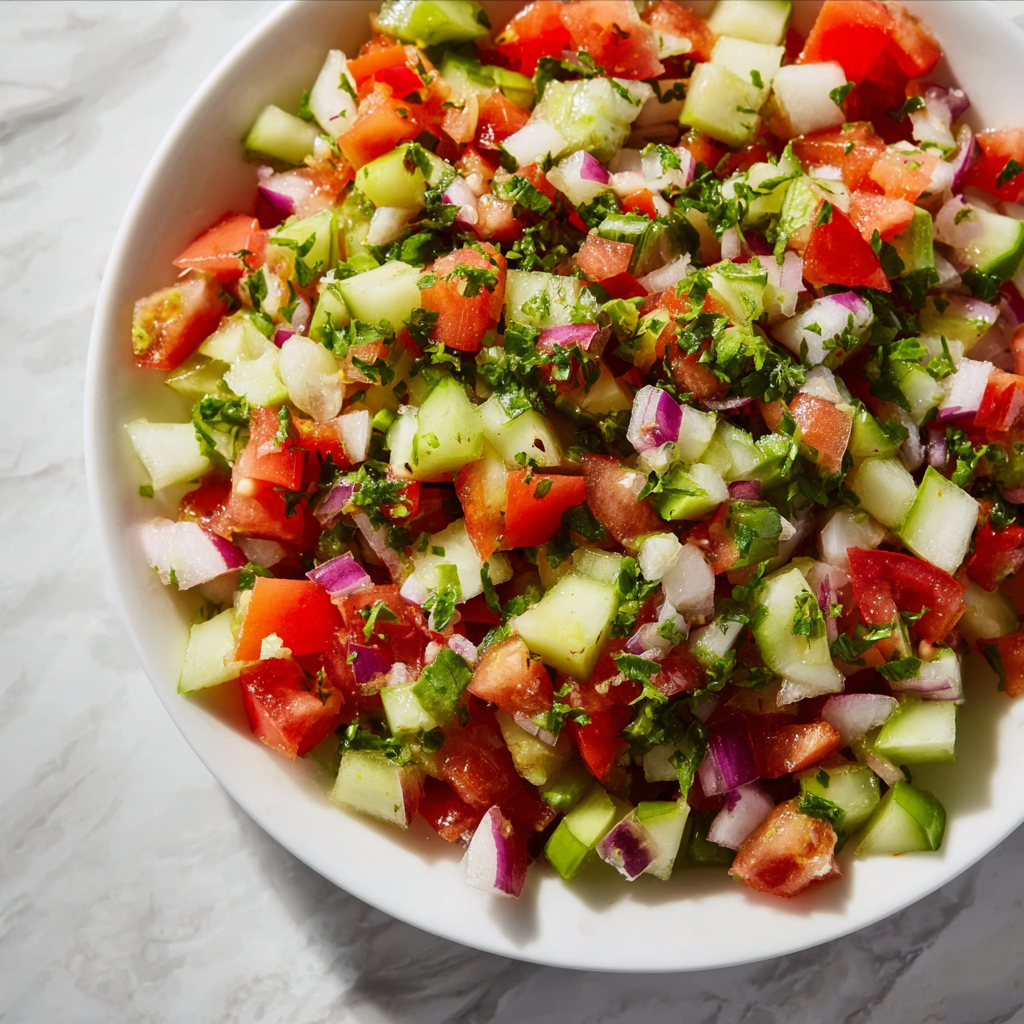
Arabic chopped salad has roots deeply embedded in Levantine cuisine, encompassing regions like Lebanon, Syria, Jordan, and Palestine. Unlike heavier salads loaded with creamy dressings or cheeses, this fresh vegetable salad emphasizes the natural crunch and juiciness of seasonal produce. It’s similar to the Israeli salad or fattoush but stands out with its finely chopped ingredients that allow flavors to meld seamlessly. Whether you’re a seasoned home cook or a beginner exploring healthy arabic salad options, this dish is forgiving and customizable. In this comprehensive guide, we’ll dive into everything you need to know about making the perfect arabic chopped salad, from its cultural significance to step-by-step instructions, tips, variations, and more. By the end, you’ll be equipped to create a version that’s not only delicious but also optimized for your lifestyle.
The Cultural Context and History of Arabic Chopped Salad
To truly appreciate this middle eastern salad recipe, it’s essential to understand its origins. Arabic chopped salad traces back to ancient agrarian societies in the Middle East, where fresh, locally grown vegetables were abundant. In Arabic, “salata” simply means salad, but this particular version is a hallmark of mezze platters—small dishes served as appetizers in social settings. It’s a dish that promotes communal eating, where family and friends gather around a table to share stories while enjoying simple, wholesome foods.
Historically, the salad evolved from the need to use up garden-fresh produce without waste. Tomatoes, cucumbers, and onions were staples in the fertile crescent, often combined with herbs like parsley and mint that grew wild. The addition of lemon juice and olive oil as a dressing reflects the region’s Mediterranean influences, where these ingredients have been used for millennia. In modern times, arabic chopped salad has gained global popularity as part of the mediterranean diet, praised for its heart-healthy benefits. Studies from organizations like the World Health Organization highlight how such diets reduce the risk of chronic diseases, thanks to high fiber, antioxidants, and healthy fats.
Fun fact: In some Arabic cultures, this salad is prepared daily and served with every meal, symbolizing hospitality and freshness. During Ramadan, it’s a go-to iftar dish to break the fast gently on the digestive system. If you’re interested in exploring more cultural contexts, consider how variations like tabbouleh incorporate bulgur wheat, while this chopped version keeps things grain-free for a lighter touch.
Health Benefits of This Fresh Vegetable Salad
One of the biggest draws to a healthy arabic salad is its nutritional profile. Packed with vitamins, minerals, and hydration from water-rich veggies, it’s a powerhouse for wellness. Cucumbers provide over 95% water content, aiding in digestion and skin health, while tomatoes offer lycopene, an antioxidant linked to reduced cancer risk. Parsley isn’t just a garnish—it’s rich in vitamin K, supporting bone health, and mint adds a cooling effect that can soothe indigestion.
This mediterranean chopped salad is low in calories yet high in fiber, making it perfect for weight management. A single serving can deliver a significant portion of your daily vitamin C needs from lemons and bell peppers, boosting immunity. For those on plant-based diets, it’s naturally vegan and gluten-free. According to nutrition experts from Harvard’s School of Public Health, incorporating salads like this into your routine can lower inflammation and improve gut health due to the prebiotic fibers in onions and radishes. If you’re aiming for a balanced diet, pair it with proteins like grilled chicken or chickpeas to make it a complete meal.
Why This Arabic Chopped Salad Recipe Stands Out
What sets this arabic chopped salad apart from others? It’s all about the chop—finely dicing the ingredients ensures every bite is a mix of textures and tastes. Our version includes a twist with radishes for extra crunch and a hint of pomegranate molasses in the dressing for subtle sweetness, making it uniquely flavorful without overpowering the freshness. This middle eastern salad recipe serves four as a side or two as a main, and it’s ready in under 20 minutes—no cooking required!
SEO-wise, if you’re googling “fresh vegetable salad” or “healthy arabic salad,” this recipe ticks all the boxes for simplicity and authenticity. We’ve optimized it with keyword-rich content while keeping it engaging and informative. Now, let’s get to the heart of it: the ingredients and instructions.
Ingredients
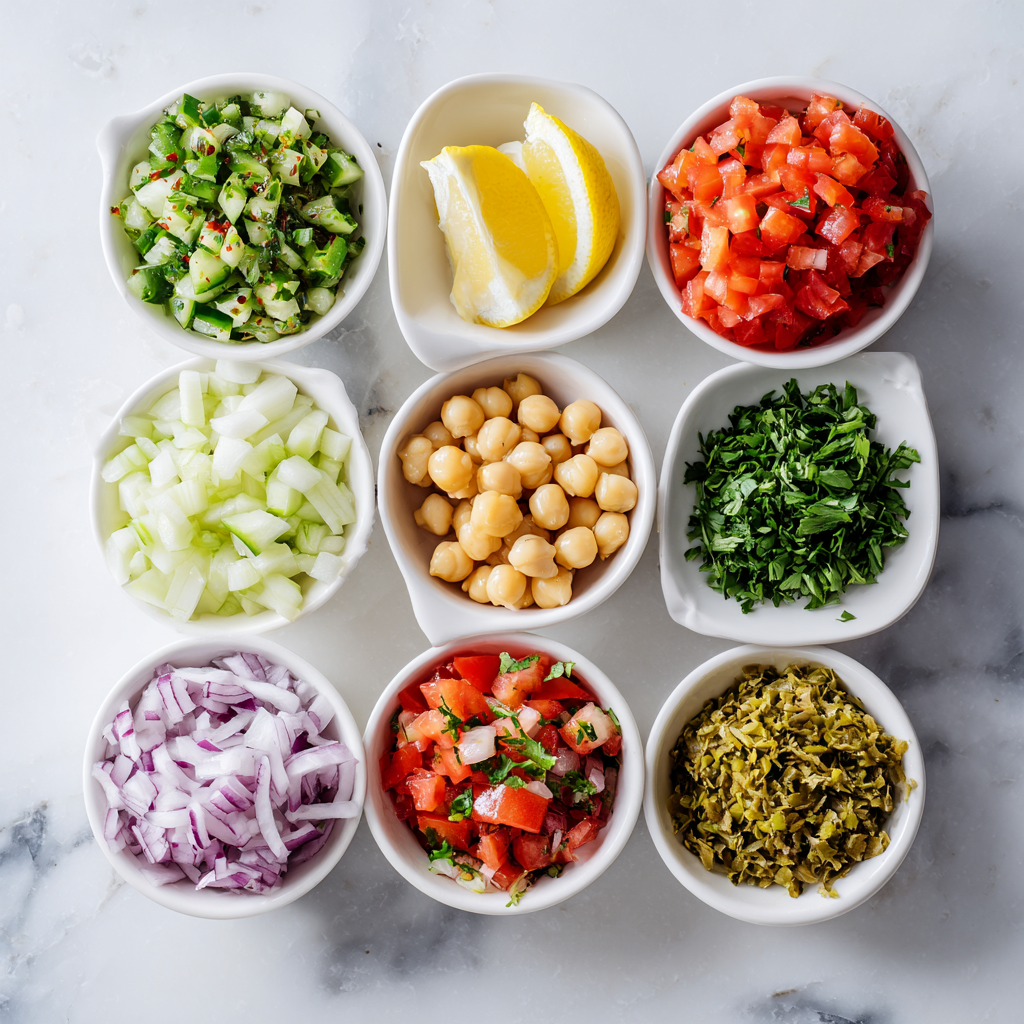
For this vibrant arabic chopped salad, you’ll need the following fresh components. This recipe yields about 4 servings.
- 4 medium cucumbers, finely chopped
- 6 ripe tomatoes, finely chopped
- 1 large red onion, finely chopped
- 1 bunch fresh parsley, finely chopped (about 1 cup)
- 1/2 bunch fresh mint, finely chopped (about 1/2 cup)
- 2 radishes, thinly sliced
- 1 green bell pepper, finely chopped
- Juice of 2 lemons (about 1/4 cup)
- 3 tablespoons extra-virgin olive oil
- 1 teaspoon pomegranate molasses (optional, for a tangy sweetness)
- Salt and black pepper to taste
Instructions
Follow these simple numbered steps to assemble your middle eastern salad recipe. No fancy equipment needed—just a sharp knife and a large bowl.
- Start by preparing your vegetables: Wash all produce thoroughly under cold water. Pat dry with a clean towel to remove excess moisture, which helps keep the salad crisp.
- Chop the cucumbers into small, even dice—about 1/4-inch pieces. Place them in a large mixing bowl.
- Dice the tomatoes similarly, discarding any excess seeds if they’re too watery. Add to the bowl with the cucumbers.
- Finely chop the red onion and add it to the mix. If the onion is too pungent, soak the pieces in ice water for 10 minutes to mellow the flavor, then drain well.
- Chop the parsley and mint leaves finely, avoiding the stems for a tender texture. Stir them into the vegetable mixture.
- Thinly slice the radishes and chop the green bell pepper into small pieces. Incorporate both into the bowl.
- In a small jar or bowl, whisk together the lemon juice, olive oil, pomegranate molasses (if using), salt, and black pepper. Taste and adjust seasoning— it should be bright and tangy.
- Pour the dressing over the chopped vegetables and herbs. Gently toss everything to combine, ensuring even coating without bruising the ingredients.
- Let the salad sit for 5-10 minutes at room temperature to allow flavors to meld. Serve immediately for the best crunch.
Tips for the Perfect Healthy Arabic Salad
To elevate your arabic chopped salad, keep these pro tips in mind. First, use the freshest ingredients possible—farmers’ market finds make a world of difference. If tomatoes are out of season, opt for cherry tomatoes for consistent sweetness. For chopping, a sharp knife prevents squishing; aim for uniform pieces to ensure balanced bites.
Avoid overdressing—start with less and add more if needed to prevent sogginess. If preparing ahead, chop veggies but dress just before serving. For a low-sodium version, reduce salt and amp up lemon for zest. Storage tip: This fresh vegetable salad lasts up to 2 days in the fridge, but it’s best eaten fresh.
Variations to Spice Up Your Mediterranean Chopped Salad
Customization is key with this middle eastern salad recipe. For a protein boost, add chickpeas or feta cheese (if not keeping it vegan). Spice lovers can include chopped jalapeños or a pinch of sumac for earthy tang. Turn it into a fattoush-inspired variation by adding toasted pita chips for crunch.
For a Greek twist, incorporate olives and oregano. If you’re on a keto diet, double the olive oil and skip sweeter elements like pomegranate molasses. Kids not fans of onions? Swap for scallions. These tweaks keep the healthy arabic salad exciting and adaptable to dietary needs.
Serving Suggestions and Pairings
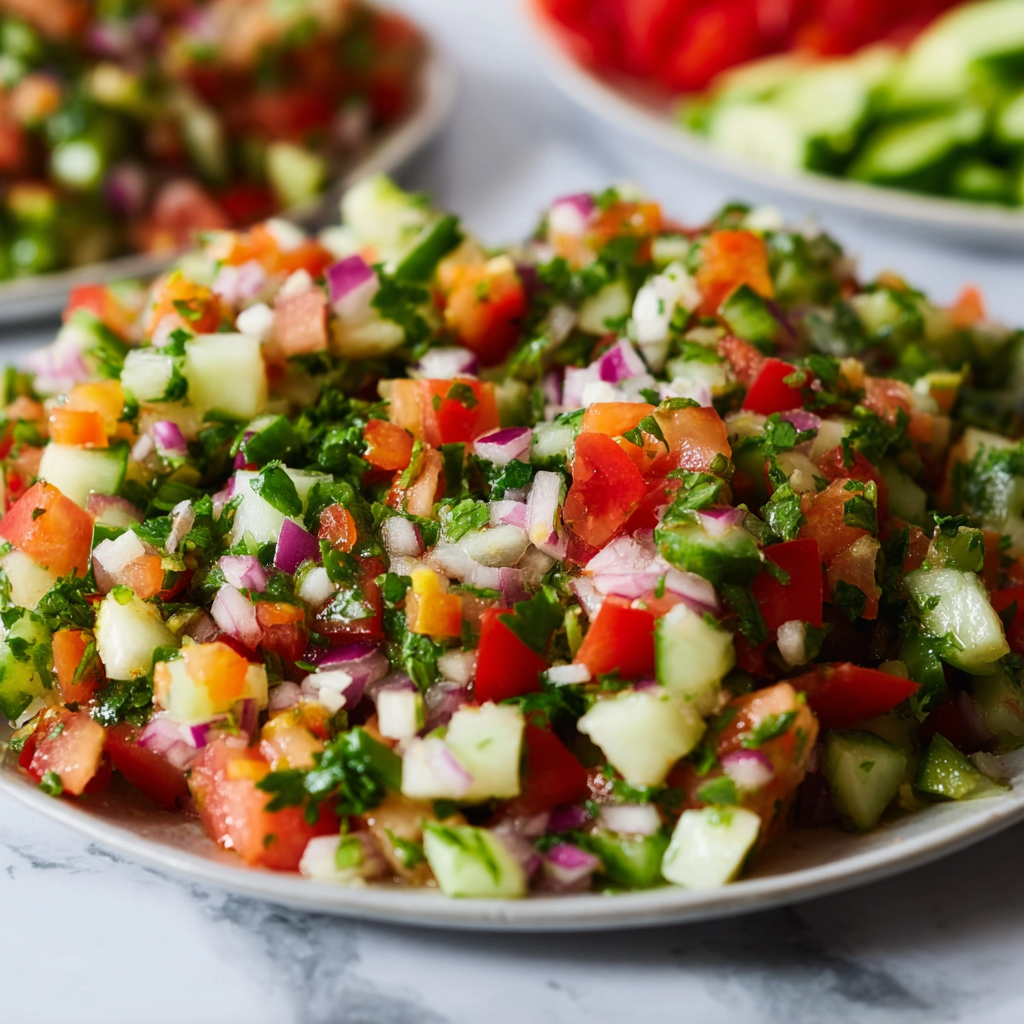
Serve this arabic chopped salad as part of a mezze spread with hummus, baba ganoush, and flatbread. It’s fantastic alongside grilled kebabs, falafel, or roasted chicken for a complete meal. For picnics, pack it in mason jars for easy transport.
Pair with a light white wine like Sauvignon Blanc or iced mint tea for refreshment. As a lunch option, top with quinoa for added heartiness. This versatility makes it a staple in any kitchen.
Fun Facts and Nutritional Breakdown
Did you know arabic chopped salad is often called “salata arabiya” in local dialects? It’s a dish that varies by region— in Lebanon, more herbs; in Jordan, extra spices. Nutritionally, a serving (about 1 cup) clocks in at around 120 calories, with 4g protein, 10g carbs, 8g fat, and 5g fiber. It’s loaded with vitamins A and C, potassium, and folate.
Compared to creamy salads, this fresh vegetable salad has zero cholesterol and minimal processed ingredients. Embrace it for clean eating!
Why Make This Recipe at Home?
In a fast-paced world, opting for homemade middle eastern salad recipe saves money and ensures quality. Store-bought versions often lack freshness or add preservatives. Plus, preparing it fosters mindfulness—chopping veggies can be therapeutic.
For SEO enthusiasts, recipes like this rank well because they’re searchable, shareable, and timeless. Share your creations on social media with #ArabicChoppedSalad for community engagement.
Common Mistakes to Avoid
Newbies often overchop herbs, turning them mushy—chop just before mixing. Don’t skip resting time; it enhances flavors. If using watery tomatoes, salt and drain them first to avoid a soupy salad.
Frequently Asked Questions
Q: Can I make this ahead? A: Yes, but dress last. Q: Is it gluten-free? A: Absolutely! Q: Substitutes for mint? A: Cilantro works in a pinch.
This arabic chopped salad is more than a recipe—it’s a gateway to Middle Eastern flavors. With its simplicity and health benefits, it’s bound to become a favorite. Experiment, enjoy, and savor the freshness!
Arabic Chopped Salad
A fresh, vibrant Middle Eastern salad with chopped vegetables, herbs, and a zesty lemon-olive oil dressing.
Ingredients
Equipment
Method
- Wash all produce thoroughly under cold water. Pat dry with a clean towel.
- Chop the cucumbers into small, even dice (about 1/4-inch pieces). Place in a large mixing bowl.
- Dice the tomatoes similarly and add to the bowl.
- Finely chop the red onion and add it.
- Chop the parsley and mint leaves finely and stir into the mixture.
- Thinly slice the radishes and chop the green bell pepper; add both.
- Whisk together lemon juice, olive oil, pomegranate molasses (if using), salt, and pepper in a small jar.
- Pour dressing over vegetables and toss gently.
- Let sit for 5-10 minutes, then serve.
Notes
For best results, use fresh, seasonal vegetables. Adjust dressing to taste.