The Best Fluffy Pancakes recipe you will fall in love with. Full of tips and tricks to help you make the best pancakes.

Garlicky, Flavorful, Perfectly Textured Every Time
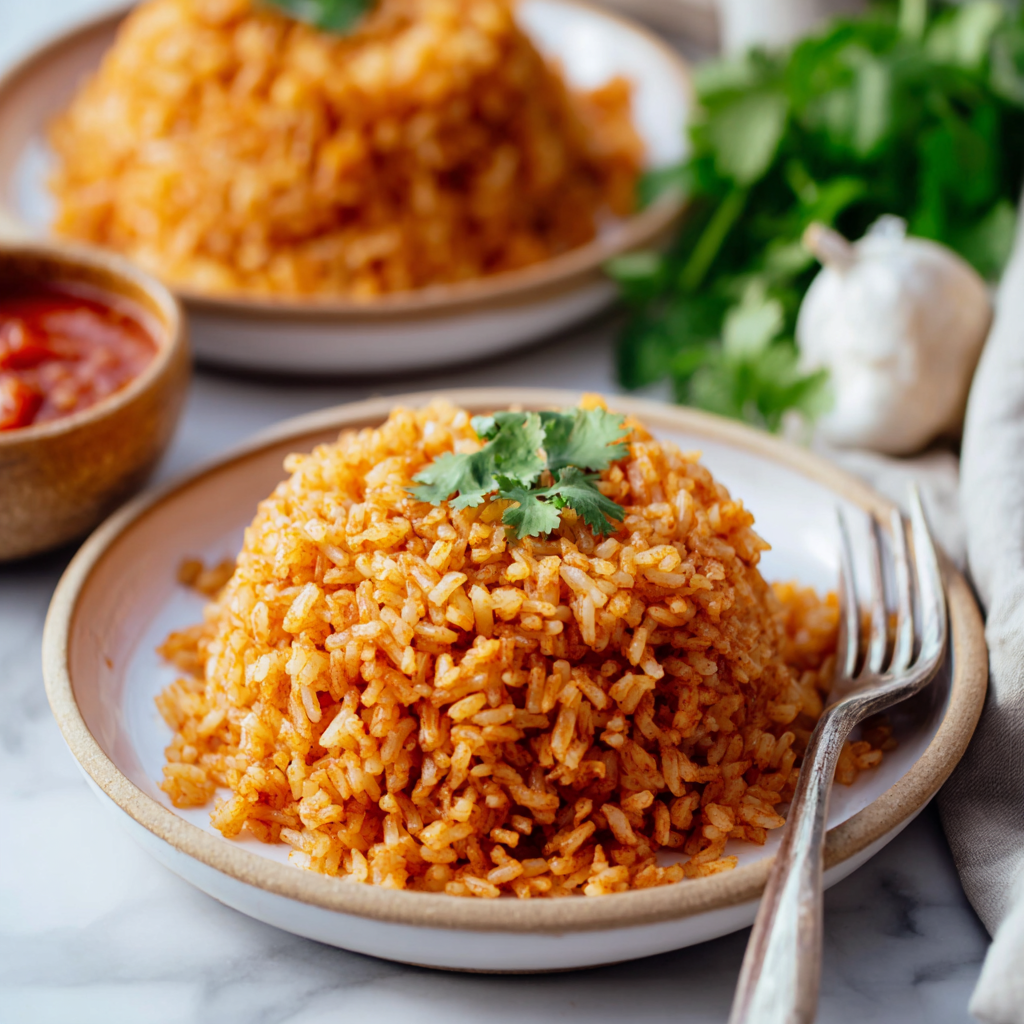
Spanish rice, also known as arroz rojo, is one of those dishes that quietly steals the spotlight. It may be served as a “side,” but its bold color, deep garlic aroma, and perfectly fluffy grains often make it the most memorable part of the meal. This is not bland cafeteria rice or mushy tomato-flavored grains. This is authentic, garlicky, beautifully textured Spanish rice, cooked the traditional way so every grain stays separate, tender, and infused with flavor.
In many households across Mexico and the American Southwest, arroz rojo is a staple that appears on the table several times a week. It pairs effortlessly with tacos, enchiladas, grilled meats, beans, and roasted vegetables, yet it is satisfying enough to enjoy on its own. What makes it special is not complexity, but technique. The rice is toasted first, garlic is gently cooked until fragrant, and tomato is layered in just the right amount to color and season without overpowering.
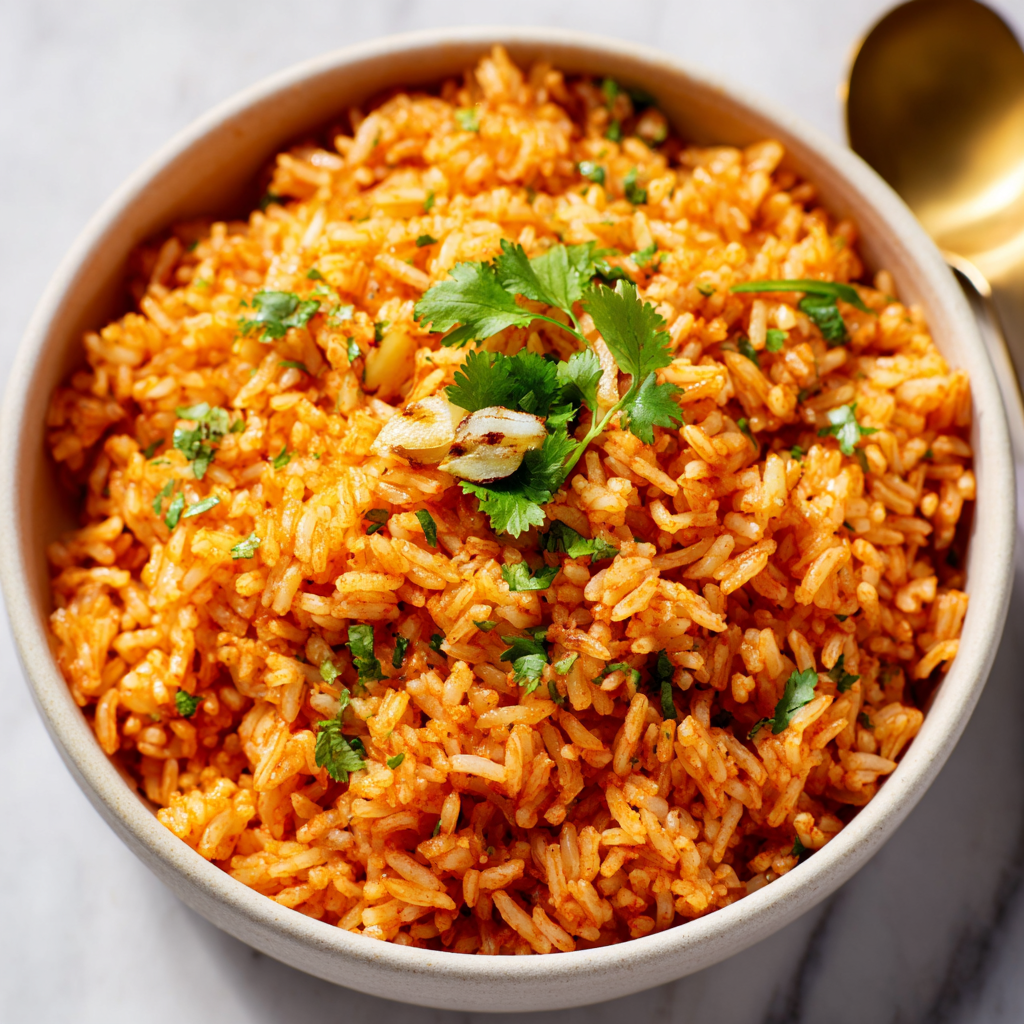
This recipe walks you through everything you need to know to make Spanish rice the right way. From choosing the correct rice, to understanding why toasting matters, to achieving that elusive restaurant-style texture, this guide is designed to give you consistent success. Whether you are new to cooking rice or looking to improve your current method, this arroz rojo recipe delivers dependable, flavorful results every single time.
Why Spanish Rice Is So Loved
Spanish rice holds a unique place in home cooking because it is comforting, affordable, and endlessly adaptable. It uses pantry staples, yet tastes like something that took far more effort than it actually did. The tomato base provides warmth and color, while garlic and onion build depth. When simmered gently in broth, the rice absorbs flavor without losing structure.
Unlike plain white rice, arroz rojo feels intentional. It completes a plate. It brings balance to spicy dishes and richness to simple meals. For many families, the smell of garlic and tomato hitting hot oil signals dinner in the most comforting way possible.
Ingredients
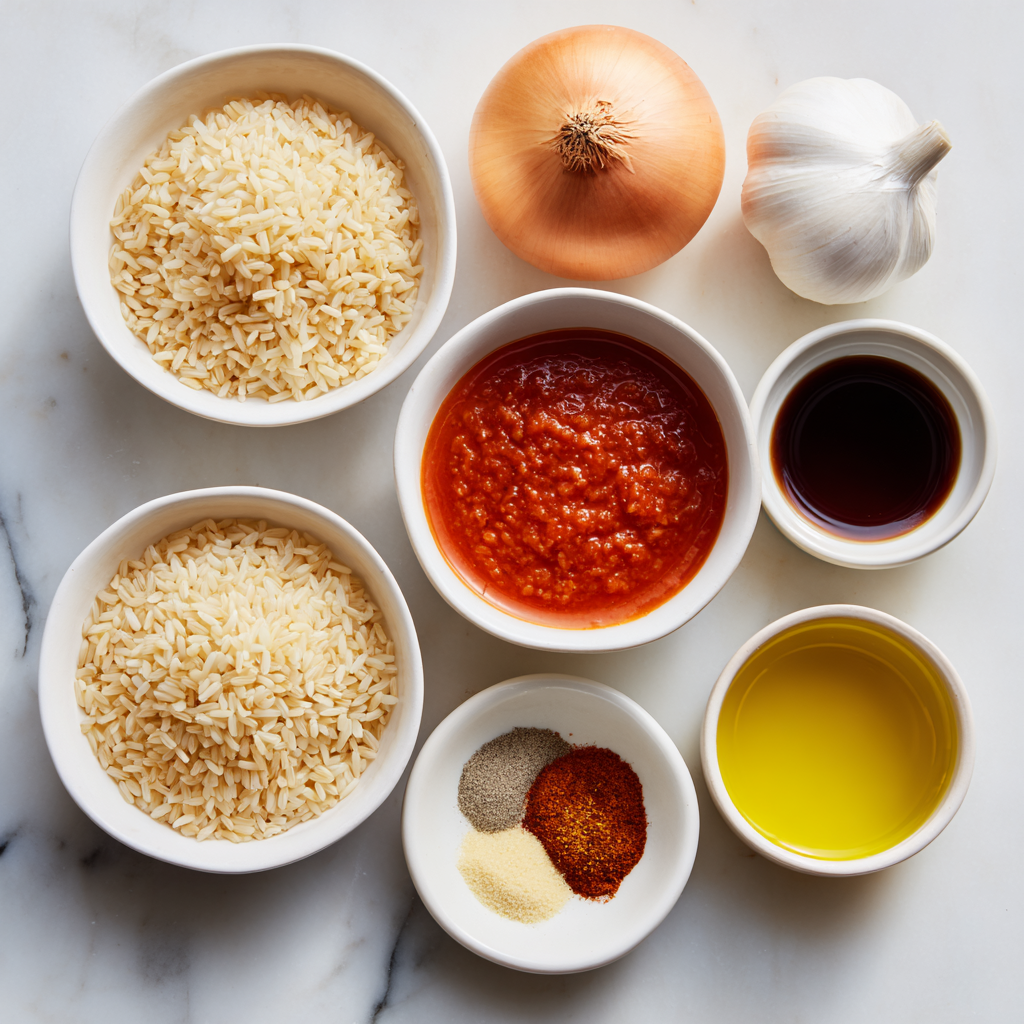
- 2 cups long-grain white rice
- 3 tablespoons neutral oil (vegetable or canola)
- 4 cloves garlic, finely minced
- ¼ cup finely diced white onion
- ½ cup tomato sauce or blended fresh tomatoes
- 4 cups warm chicken broth (or vegetable broth)
- 1 teaspoon salt (adjust to taste)
- ½ teaspoon ground cumin
- ¼ teaspoon black pepper
- Optional: chopped cilantro for garnish
Instructions
- Rinse the rice under cold water until the water runs mostly clear. Drain well and set aside.
- Heat oil in a large skillet or saucepan over medium heat.
- Add the rice and toast, stirring frequently, until it turns lightly golden and smells nutty, about 5 to 7 minutes.
- Stir in the garlic and onion, cooking for 30 to 60 seconds until fragrant but not browned.
- Add the tomato sauce and stir well, allowing it to coat the rice evenly. Cook for 1 to 2 minutes.
- Carefully pour in the warm broth, then add salt, cumin, and black pepper. Stir once to combine.
- Bring to a gentle boil, then reduce heat to low. Cover tightly and simmer for 18 to 20 minutes.
- Remove from heat and let the rice rest, covered, for 5 minutes.
- Fluff gently with a fork and garnish with cilantro if desired before serving.
The Secret to Perfect Texture
The biggest mistake people make with Spanish rice is skipping the toasting step. Toasting the rice in oil before adding liquid does three crucial things. First, it coats each grain in fat, helping it stay separate. Second, it adds a subtle nutty flavor that enhances the final dish. Third, it strengthens the rice so it does not split or turn mushy during simmering.
Equally important is using long-grain white rice. Short-grain varieties release more starch and can become sticky, which is not what you want for arroz rojo. Long-grain rice stays fluffy, light, and visually appealing.
Garlic: The Flavor Backbone
Garlic is not just an accent in this dish, it is a foundation. Finely minced garlic releases its oils quickly, infusing the rice without becoming bitter. Cooking it briefly after the rice is toasted ensures the flavor blooms without burning.
If you love bold garlic flavor, you can increase the cloves slightly, but always cook them gently. Burned garlic will overpower the dish and add bitterness.
Choosing the Right Tomato Base
Traditional Spanish rice can be made with canned tomato sauce, fresh blended tomatoes, or even tomato paste diluted with water. Tomato sauce is the most consistent option and gives the rice its signature red color without overwhelming acidity.
If using fresh tomatoes, blend them until smooth and strain out excess seeds for best texture. The goal is balance, not a heavy tomato taste.
Broth vs Water
While water works in a pinch, broth transforms Spanish rice from good to unforgettable. Chicken broth adds savory depth, while vegetable broth keeps the dish vegetarian without sacrificing flavor. Always warm the broth before adding it to the rice to maintain even cooking.
Common Mistakes to Avoid
One common error is stirring the rice while it simmers. Once the lid is on, resist the urge to peek or stir. Steam is essential for even cooking, and disturbing it can lead to gummy rice.
Another mistake is lifting the lid too early. Allow the rice to rest after cooking. This final step redistributes moisture and finishes the texture perfectly.
Variations You’ll Love
Spanish rice is wonderfully adaptable. Here are a few popular variations:
- Vegetable Spanish Rice: Add peas, carrots, or corn during the last 5 minutes of cooking.
- Spicy Arroz Rojo: Stir in diced jalapeño or a pinch of chili powder.
- Protein Boost: Add cooked shredded chicken or browned ground beef for a one-pan meal.
- Vegan Version: Use vegetable broth and add extra cumin for depth.
Each variation keeps the core technique intact while letting you tailor the dish to your table.
Serving Suggestions
Spanish rice pairs beautifully with grilled chicken, carne asada, enchiladas, tacos, or roasted vegetables. It also works as a base for rice bowls topped with beans, avocado, and salsa.
Leftovers reheat well and make an excellent filling for burritos or stuffed peppers the next day.
Cultural Context & Fun Facts
Despite the name, Spanish rice is more closely associated with Mexican cuisine than Spain. The red color comes from tomatoes, which were introduced to Mexico centuries ago and became central to regional cooking. In Mexico, the dish is simply called arroz rojo, meaning “red rice.”
Every household has its own version, passed down through generations. Some families swear by chicken bouillon, others insist on fresh tomatoes, and many adjust spices by feel rather than measurement. This adaptability is part of what makes the dish so enduring.
Storage and Make-Ahead Tips
Spanish rice can be stored in an airtight container in the refrigerator for up to four days. Reheat gently with a splash of broth or water to restore moisture.
It can also be frozen for up to two months. Thaw overnight in the refrigerator before reheating.
Why This Recipe Works
This recipe focuses on technique over shortcuts. By respecting each step, especially toasting and resting, you get rice that is fluffy, flavorful, and visually beautiful. It is reliable, repeatable, and perfect for both weeknight dinners and special occasions.
Once you master this method, you will never need another Spanish rice recipe again.
Spanish Rice (Arroz Rojo)
Authentic garlicky Spanish rice with fluffy grains and rich tomato flavor.
Ingredients
Equipment
Method
- Rinse rice under cold water and drain well.
- Heat oil in a skillet over medium heat and toast rice until lightly golden.
- Add garlic and onion, cooking briefly until fragrant.
- Stir in tomato sauce and cook for 1 to 2 minutes.
- Add warm broth and seasonings, then bring to a gentle boil.
- Cover, reduce heat to low, and simmer for 18 to 20 minutes.
- Rest off heat for 5 minutes, then fluff and serve.
Notes
Do not stir while simmering for best texture.