
The Best Fluffy Pancakes recipe you will fall in love with. Full of tips and tricks to help you make the best pancakes.

A Timeless Comfort Food That Never Goes Out of Style
There are few dishes as deeply comforting and universally loved as old-fashioned beef stew. It is the kind of meal that warms you from the inside out, filling the kitchen with rich aromas and the table with a sense of calm and familiarity. Long before slow cookers and instant pots became household staples, beef stew was simmering gently on stovetops, bubbling away while families went about their day.
Old-fashioned beef stew is not flashy or trendy, and that is exactly why it endures. It relies on simple ingredients, patient cooking, and time-tested techniques to create something greater than the sum of its parts. Tender beef, hearty vegetables, and a deeply savory broth come together to form a dish that feels both humble and generous.
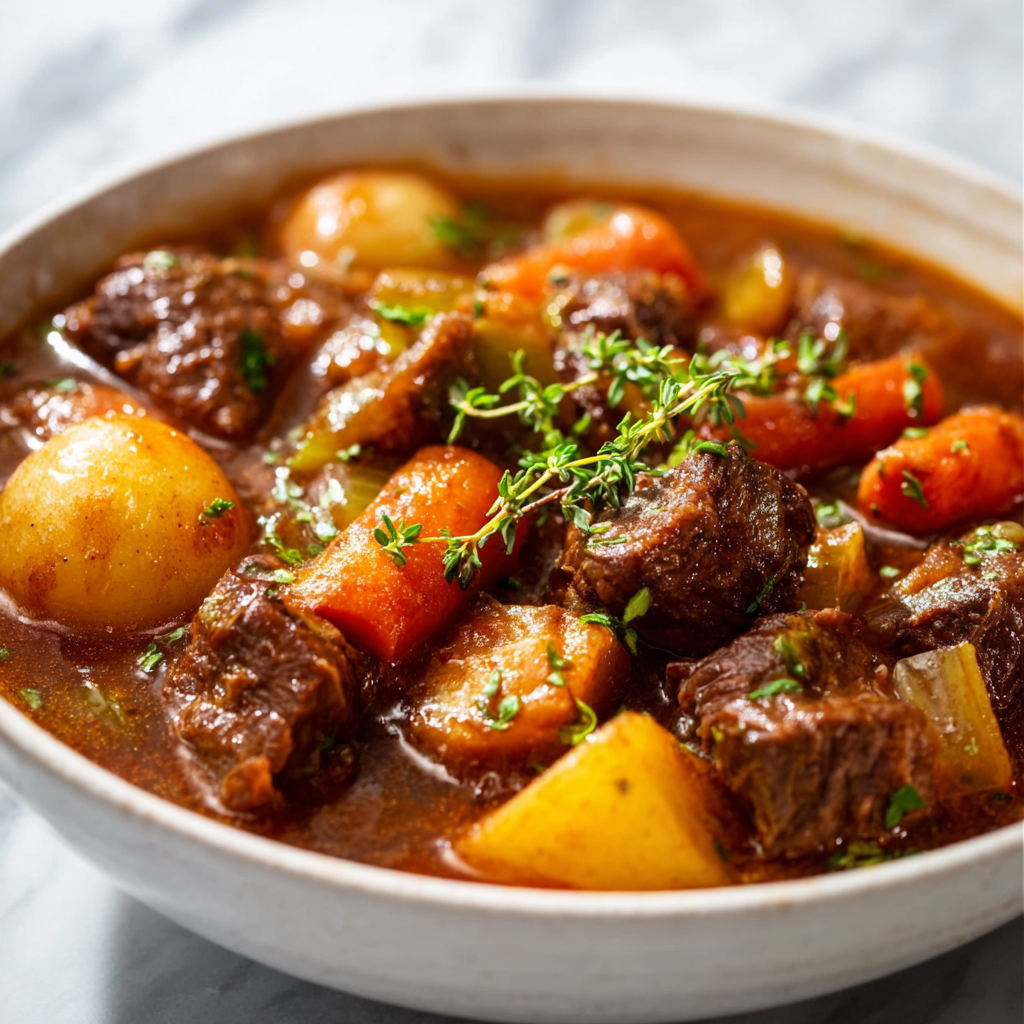
This recipe stays true to tradition. No shortcuts. No unnecessary ingredients. Just slow-simmered beef stew the way it has been made for generations. Whether you are cooking for a quiet weeknight, a Sunday family dinner, or a cold winter evening, this classic stew delivers comfort every single time.
What Makes a Beef Stew “Old-Fashioned”?
An old-fashioned beef stew is defined by its method, not just its ingredients. The beef is browned first to build flavor. Flour is used to thicken the stew naturally. The vegetables are sturdy and rustic, meant to hold their shape during long cooking. And most importantly, the stew is cooked slowly so the flavors have time to develop.
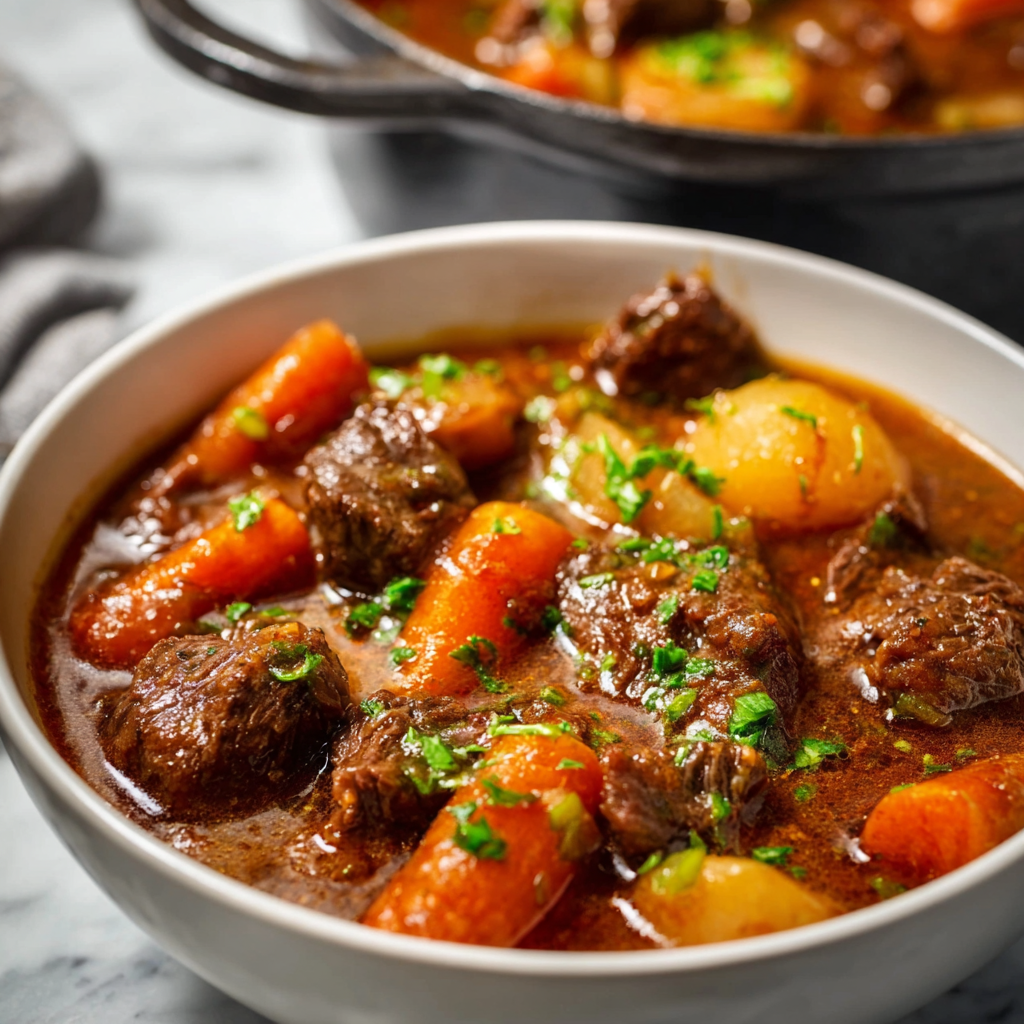
This is not a soup, and it is not a gravy. A proper old-fashioned beef stew sits somewhere in between, rich and spoon-coating without being heavy. Each bite should include tender beef, soft vegetables, and a savory broth that tastes deeply beefy and satisfying.
Ingredients
Stew Base
- Beef chuck, cut into large cubes
- All-purpose flour
- Salt
- Black pepper
- Olive oil or vegetable oil
Aromatics & Flavor
- Onion, chopped
- Garlic, minced
- Tomato paste
- Worcestershire sauce
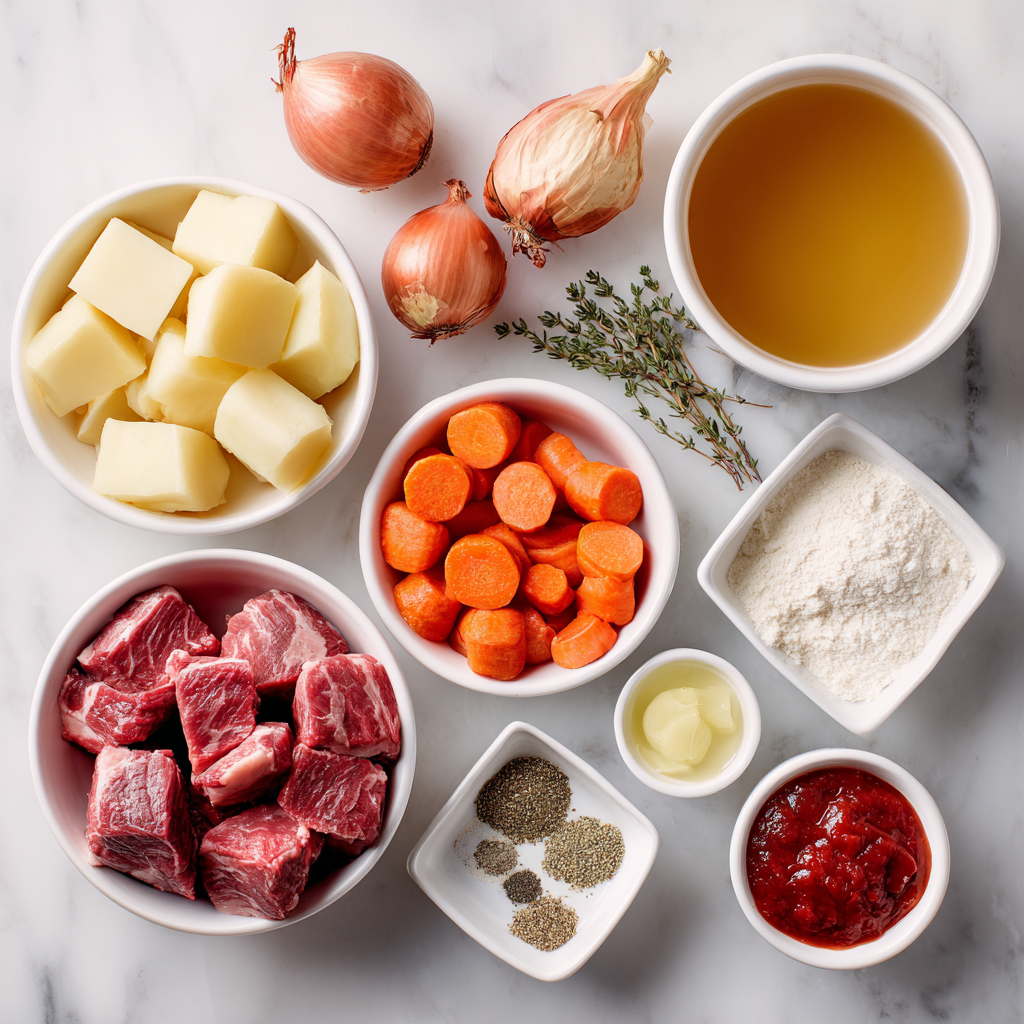
Vegetables
- Carrots, sliced
- Potatoes, cubed
- Celery, sliced (optional but traditional)
Liquid & Seasoning
- Beef broth
- Bay leaves
- Fresh thyme or dried thyme
Every ingredient plays a role. Beef chuck becomes melt-in-your-mouth tender with slow cooking. Flour thickens the stew naturally. Tomato paste adds depth without overpowering. Potatoes and carrots absorb flavor while helping make the stew hearty and filling.
Instructions
1. Prepare the Beef
Pat the beef dry with paper towels. Season generously with salt and black pepper, then toss lightly with flour until evenly coated.
2. Brown the Beef
Heat oil in a large heavy pot or Dutch oven over medium-high heat. Add the beef in batches, making sure not to crowd the pan. Brown on all sides until deeply caramelized. Remove and set aside.
3. Build the Flavor Base
Reduce heat to medium. Add onions to the same pot and cook until softened, scraping up the browned bits from the bottom. Add garlic and cook briefly until fragrant. Stir in tomato paste and cook for 1 to 2 minutes to deepen its flavor.
4. Deglaze and Simmer
Return the beef to the pot. Add beef broth, Worcestershire sauce, bay leaves, and thyme. Stir well and bring to a gentle simmer.
5. Slow Cook
Cover and simmer on low heat for about 1½ hours, stirring occasionally, until the beef begins to soften.
6. Add Vegetables
Add carrots, potatoes, and celery. Continue simmering uncovered for another 30 to 45 minutes, until vegetables are tender and the stew has thickened.
7. Adjust and Serve
Remove bay leaves. Taste and adjust seasoning with salt and pepper. Serve hot.
Why Slow Simmering Matters
The secret to old-fashioned beef stew is time. Rushing the process leads to tough meat and flat flavor. Slow simmering allows connective tissue in the beef chuck to break down, transforming tough cuts into tender, juicy pieces.
The long cook time also allows the flour-thickened broth to develop body and richness without needing cornstarch or artificial thickeners.
Tips for the Best Beef Stew
- Choose beef chuck, not lean cuts. Fat equals flavor.
- Brown the beef properly. This step builds depth.
- Simmer gently, never boil aggressively.
- Cut vegetables evenly so they cook at the same rate.
- Let it rest for 10 minutes before serving to allow flavors to settle.
Variations You Can Try
Classic Stove-Top Only
Keep everything on the stovetop for full control over texture.
Slow Cooker Version
Brown the beef first, then transfer everything to a slow cooker and cook on low for 8 hours.
Rustic Herb Stew
Add rosemary or parsley stems for deeper herbal notes.
No-Potato Version
Serve the stew over mashed potatoes or buttered noodles instead.
Serving Suggestions
Old-fashioned beef stew is best served simply:
- With crusty bread or dinner rolls
- Over mashed potatoes
- Alongside a green salad
- With buttered peas or green beans
This is a meal that does not need fancy sides. Let the stew shine.
Storage and Make-Ahead Tips
Beef stew tastes even better the next day.
- Refrigerate for up to 4 days
- Freeze for up to 3 months
- Reheat gently on the stovetop with a splash of broth
A Dish Rooted in Tradition
Across cultures, slow-cooked meat stews exist in countless forms. Old-fashioned beef stew represents the American farmhouse version, shaped by practicality, patience, and comfort. It is food that feeds families, stretches ingredients, and creates memories.
Once you master this recipe, it becomes a lifelong staple.
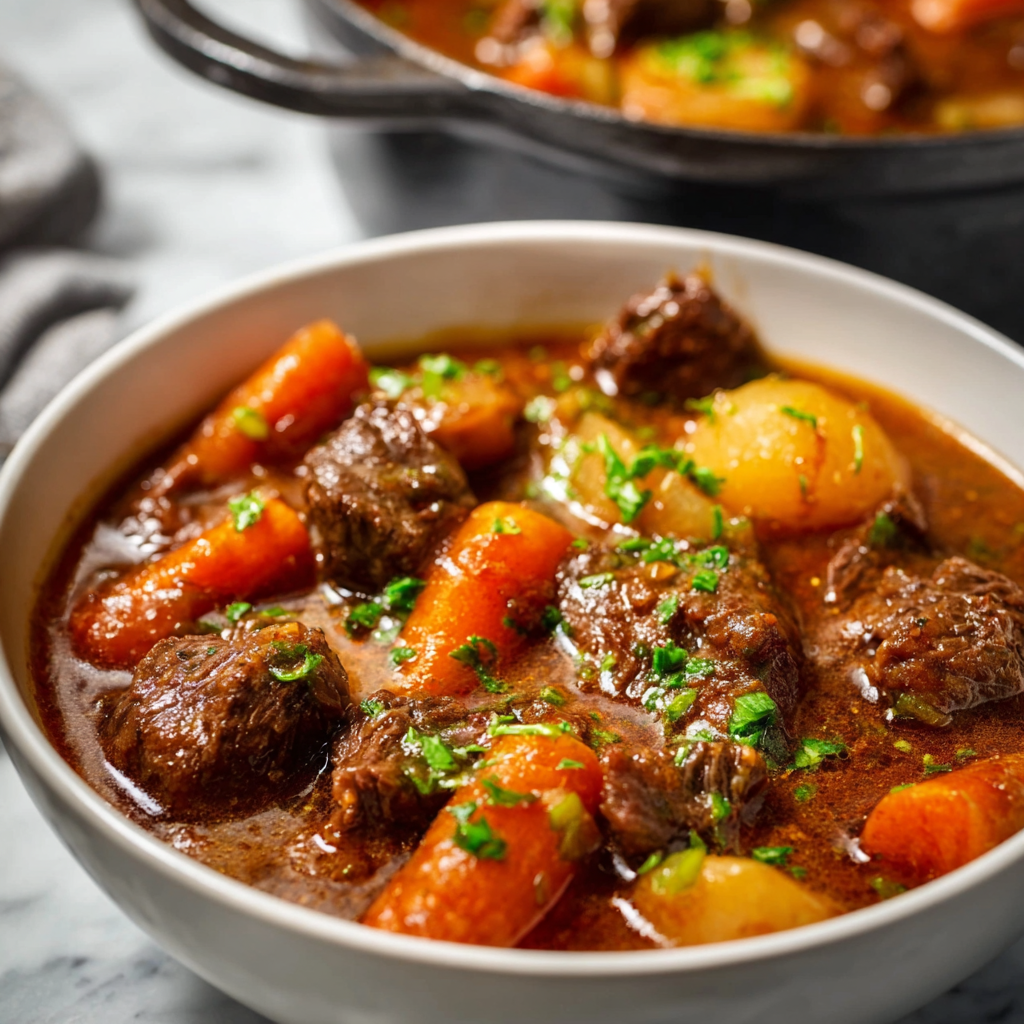
Old-Fashioned Beef Stew
Classic slow-simmered beef stew made with tender beef, hearty vegetables, and rich savory broth.
Ingredients
Equipment
Method
- Season and flour beef cubes.
- Brown beef in batches and set aside.
- Cook onion and garlic; stir in tomato paste.
- Return beef to pot and add broth, herbs, and sauce.
- Simmer covered for 90 minutes.
- Add vegetables and simmer 30–45 minutes more.
Notes
Stew thickens more as it cools.