The Best Fluffy Pancakes recipe you will fall in love with. Full of tips and tricks to help you make the best pancakes.

There are few foods as universally loved as crispy juicy fried chicken. Its appeal crosses cultures, generations, and dining occasions. The contrast between a shatteringly crunchy crust and tender, juicy meat is pure comfort, and when done correctly, fried chicken is nothing short of culinary perfection. This recipe for Crispy Juicy Fried Chicken (Perfectly Crunchy Every Time) is designed to give you consistent, professional-level results at home—no soggy coating, no dry meat, and no guesswork.
Fried chicken has a reputation for being difficult to master, but the truth is that success comes down to understanding a few core principles: proper seasoning, moisture control, coating technique, and temperature management. When these elements work together, fried chicken becomes predictable, repeatable, and deeply satisfying.
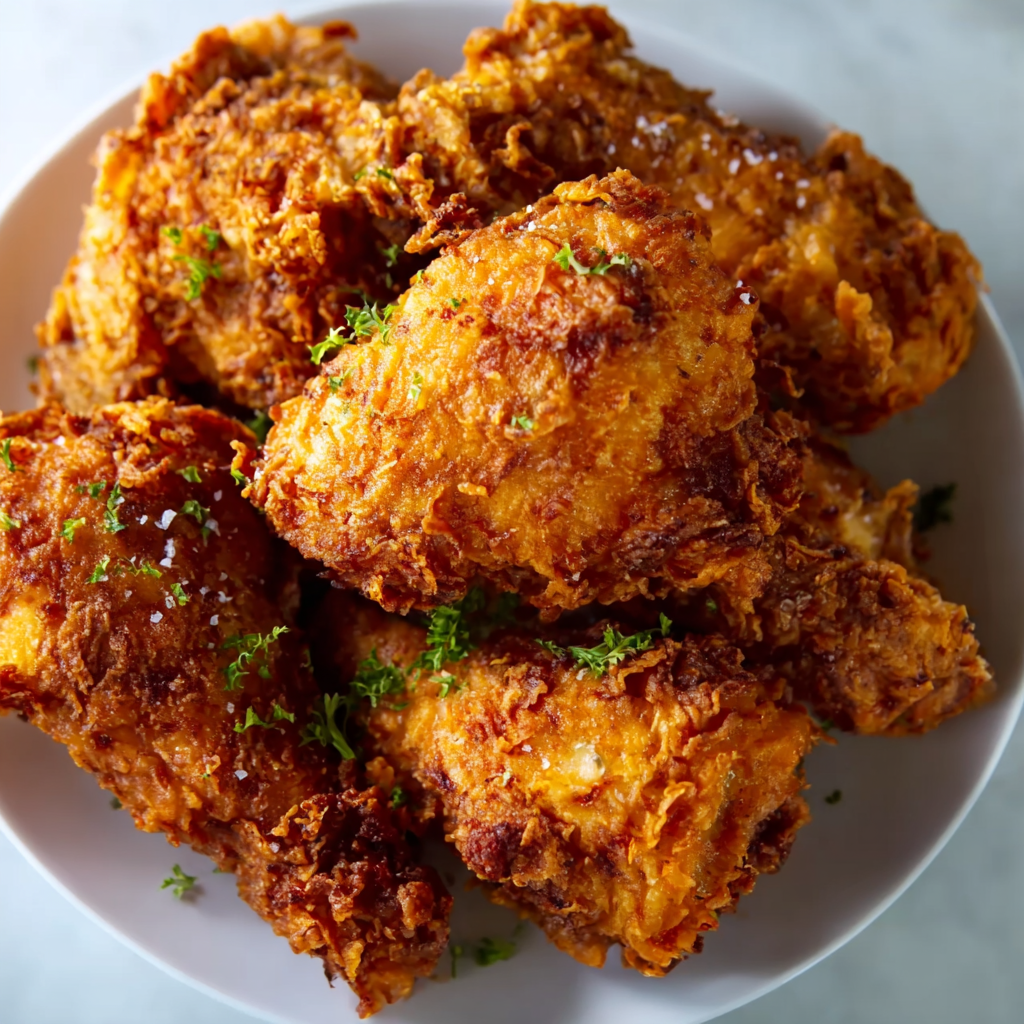
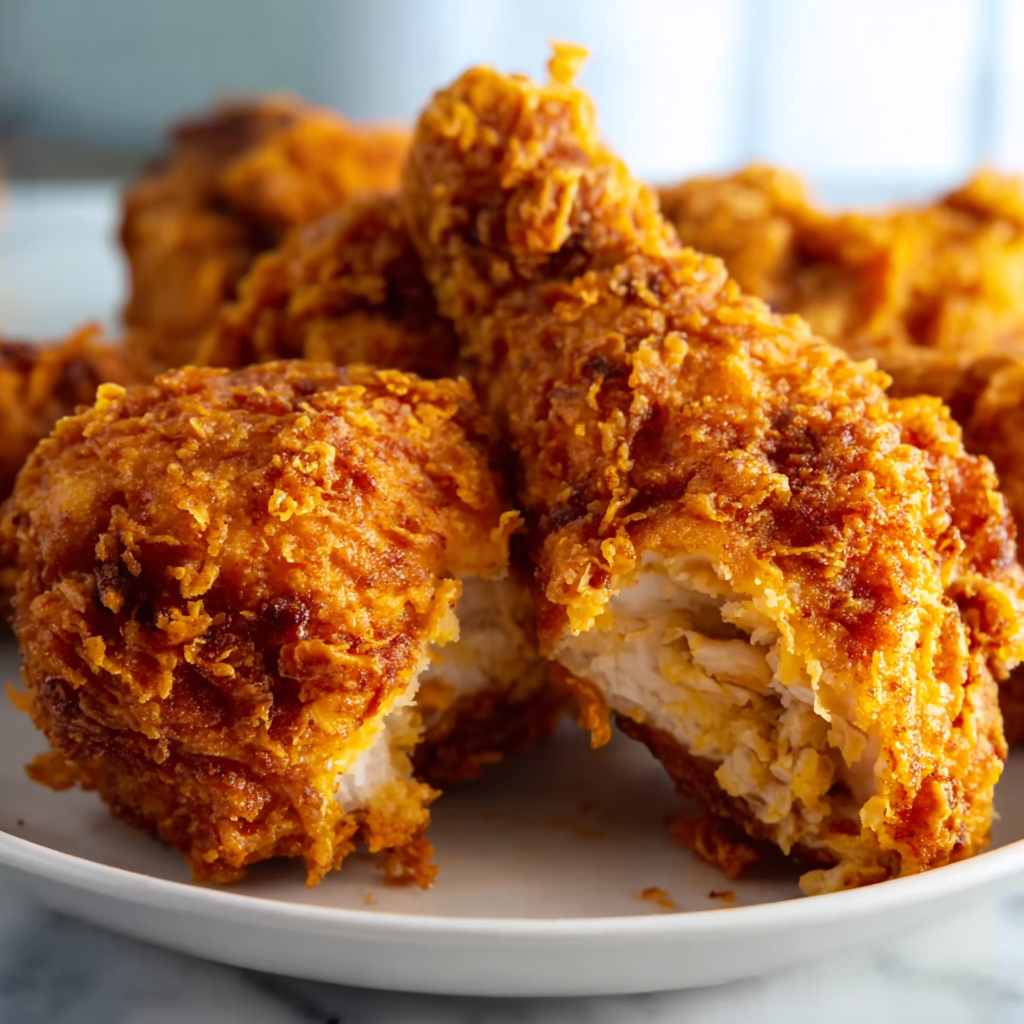
This recipe focuses on technique just as much as flavor. Each step is intentional, from the seasoned buttermilk soak to the layered flour coating that creates those iconic craggy edges. The result is chicken that audibly crunches when bitten into, yet remains succulent and flavorful all the way to the bone.
Whether you are cooking for family, entertaining guests, or simply chasing the nostalgia of classic comfort food, this fried chicken delivers every time.
What Makes Fried Chicken Truly Perfect
Perfect fried chicken is defined by balance. The crust must be crisp but not greasy. The meat must be juicy but fully cooked. The seasoning must be bold but not overwhelming. Achieving this balance requires respect for both ingredients and process.
The crust begins with flour, but it is technique that gives it character. Moisture introduced at the right stage creates irregular flakes that fry into crunchy ridges. These ridges increase surface area, which means more crunch in every bite. At the same time, proper oil temperature ensures the coating fries quickly, sealing in juices rather than absorbing excess oil.
Inside, the chicken remains tender because it is protected by the crust and prepared using cuts that naturally retain moisture. The goal is not just fried chicken that looks good, but fried chicken that eats beautifully.
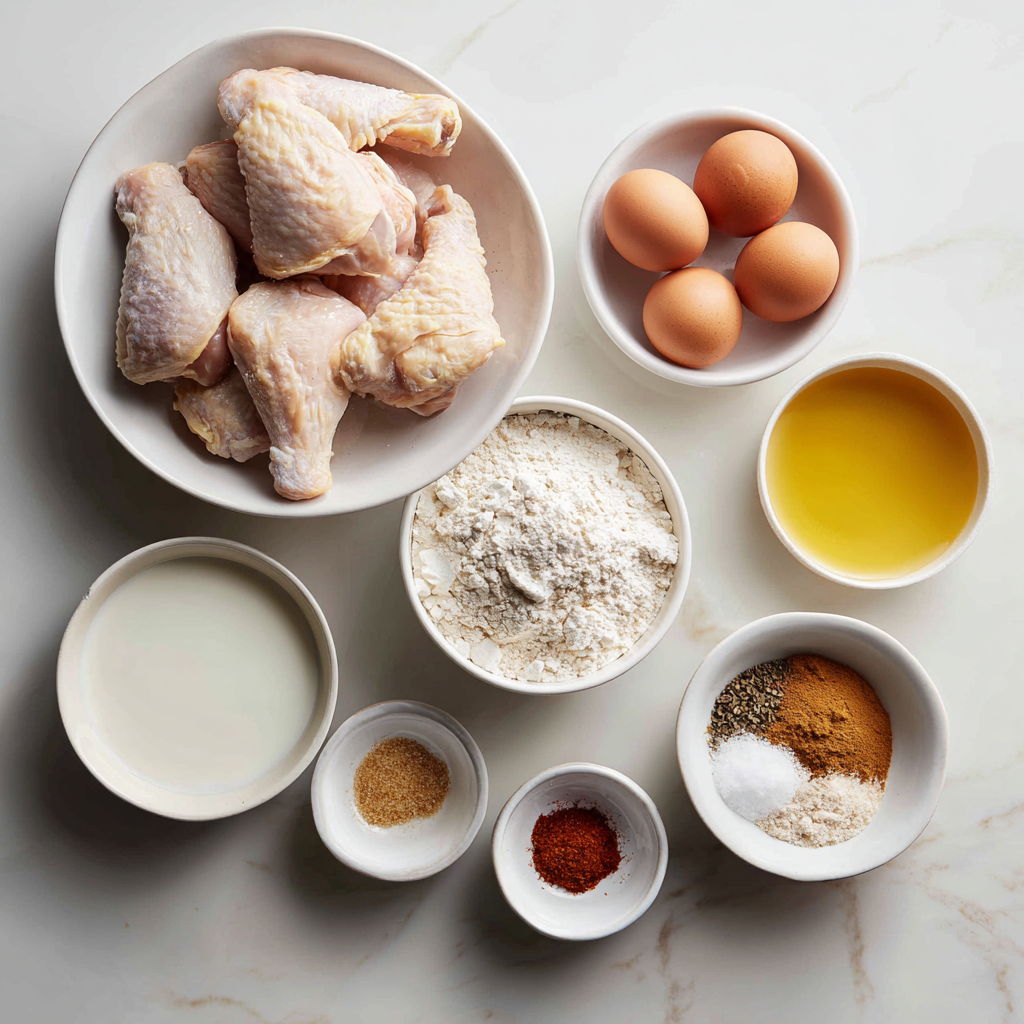
Ingredients
- Chicken pieces (drumsticks, thighs, wings, or breasts)
- Buttermilk
- Eggs
- All-purpose flour
- Cornstarch
- Paprika
- Garlic powder
- Onion powder
- Black pepper
- Salt
- Cayenne pepper (optional)
- Neutral frying oil
Instructions
- Place chicken pieces in a large bowl and season lightly with salt and pepper.
- Pour buttermilk over the chicken, ensuring all pieces are fully coated. Cover and refrigerate for at least 2 hours, preferably overnight.
- In a separate bowl, whisk eggs until smooth.
- In another large bowl, combine flour, cornstarch, paprika, garlic powder, onion powder, salt, black pepper, and cayenne if using.
- Remove chicken from buttermilk, allowing excess to drip off. Dip each piece into egg, then dredge thoroughly in the seasoned flour mixture, pressing firmly to create textured coating.
- Place coated chicken on a wire rack and let rest for 10–15 minutes to set the crust.
- Heat oil in a heavy pot or deep skillet to 350°F (175°C).
- Fry chicken in batches, turning occasionally, until deeply golden and internal temperature reaches 165°F (74°C), about 12–16 minutes depending on size.
- Transfer cooked chicken to a wire rack to drain and rest before serving.
The Science Behind the Crunch
Crunch is not accidental—it is engineered. Cornstarch is a critical addition to the flour mixture because it inhibits gluten formation, leading to a lighter, crispier crust. The resting period after breading allows the coating to hydrate slightly, which helps it adhere better during frying.
Oil temperature plays an equally important role. Too hot, and the crust burns before the inside cooks. Too cool, and the coating absorbs oil, becoming greasy. Maintaining a steady 350°F creates the ideal environment for moisture to escape as steam while the crust sets instantly.
Why Buttermilk Matters
Buttermilk does more than add flavor. Its acidity gently tenderizes the chicken, breaking down proteins without making the meat mushy. This process ensures juicy results even after frying at high heat.
The thickness of buttermilk also helps the flour coating cling more effectively, contributing to those signature crunchy layers. If buttermilk is unavailable, milk with a splash of vinegar can be used, but traditional buttermilk produces superior texture.
Choosing the Best Chicken Cuts
Different cuts offer different advantages. Thighs and drumsticks are more forgiving and remain juicy longer, making them ideal for beginners. Breasts cook faster and benefit from careful temperature monitoring. Wings offer maximum crunch due to higher skin-to-meat ratio.
Mixing cuts creates visual appeal and variety, but cooking times must be adjusted accordingly. Fry similar-sized pieces together for even results.
Seasoning for Maximum Flavor
Seasoning should happen at multiple stages. Light seasoning before the buttermilk ensures flavor penetrates the meat, while seasoned flour delivers impact in the crust. This layered approach prevents bland interiors and overly salty coatings.
Paprika adds warmth and color, garlic and onion powders provide savory depth, and black pepper offers gentle heat. Cayenne is optional but recommended for subtle background spice.
Oil Selection and Frying Technique
Neutral oils with high smoke points are essential. Peanut oil, vegetable oil, or canola oil are ideal choices. Avoid olive oil, which breaks down at frying temperatures.
Fry in small batches to maintain oil temperature. Overcrowding lowers heat and leads to uneven cooking. Use a thermometer for accuracy rather than guessing.
Serving Suggestions
Crispy fried chicken pairs beautifully with a wide range of sides. Classic accompaniments include mashed potatoes, coleslaw, and biscuits. For lighter balance, serve with fresh salads or roasted vegetables.
Fried chicken also works well for gatherings. Serve family-style on a large platter, allowing guests to choose their favorite pieces.
Cultural Roots and Enduring Popularity
Fried chicken holds a deep place in culinary history, particularly in Southern cooking traditions. Over generations, techniques were refined to maximize flavor and texture using simple ingredients. Today, fried chicken continues to evolve, but its core appeal remains unchanged.
This recipe honors those traditions while focusing on precision and repeatability, making it accessible to modern home cooks.
Storage and Reheating
Leftover fried chicken can be stored in the refrigerator for up to three days. Reheat in an oven at 375°F (190°C) until warmed through and crisp. Avoid microwaving, which softens the crust.
Why This Recipe Never Fails
Crispy Juicy Fried Chicken (Perfectly Crunchy Every Time) succeeds because it respects both process and patience. From the buttermilk soak to the controlled frying temperature, every step serves a purpose.
This is not just fried chicken—it is fried chicken done right, consistently delivering crunch, flavor, and juiciness in every bite.
Crispy Juicy Fried Chicken
Classic fried chicken with a perfectly crunchy crust and tender, juicy meat using a foolproof technique.
Ingredients
Equipment
Method
- Soak chicken in seasoned buttermilk for at least 2 hours.
- Prepare egg wash and seasoned flour mixture.
- Coat chicken in egg, then dredge in flour mixture.
- Rest coated chicken before frying.
- Fry chicken at 350°F until golden and cooked through.
Notes
Allow chicken to rest after frying to preserve crunch.