The Best Fluffy Pancakes recipe you will fall in love with. Full of tips and tricks to help you make the best pancakes.

Bread is one of the oldest foods in human history, but few breads feel as comforting and versatile as Bazlama, the beloved Turkish flatbread traditionally cooked on a hot griddle. This No-Oven Turkish Bread (Bazlama-Style) recipe brings that same pillowy softness and golden surface straight to your stovetop, no oven required. It’s a practical solution for home cooks who want bakery-quality bread using simple ingredients and minimal equipment.
Bazlama is known for its thick, fluffy texture—softer than pita, heartier than lavash, and incredibly adaptable. In Turkey, it’s often enjoyed fresh off the pan, torn by hand, and paired with cheese, olives, honey, or hearty stews. This no-oven version preserves the soul of the traditional bread while making it accessible to any kitchen, whether you live in a small apartment, travel frequently, or simply don’t want to heat up your oven.
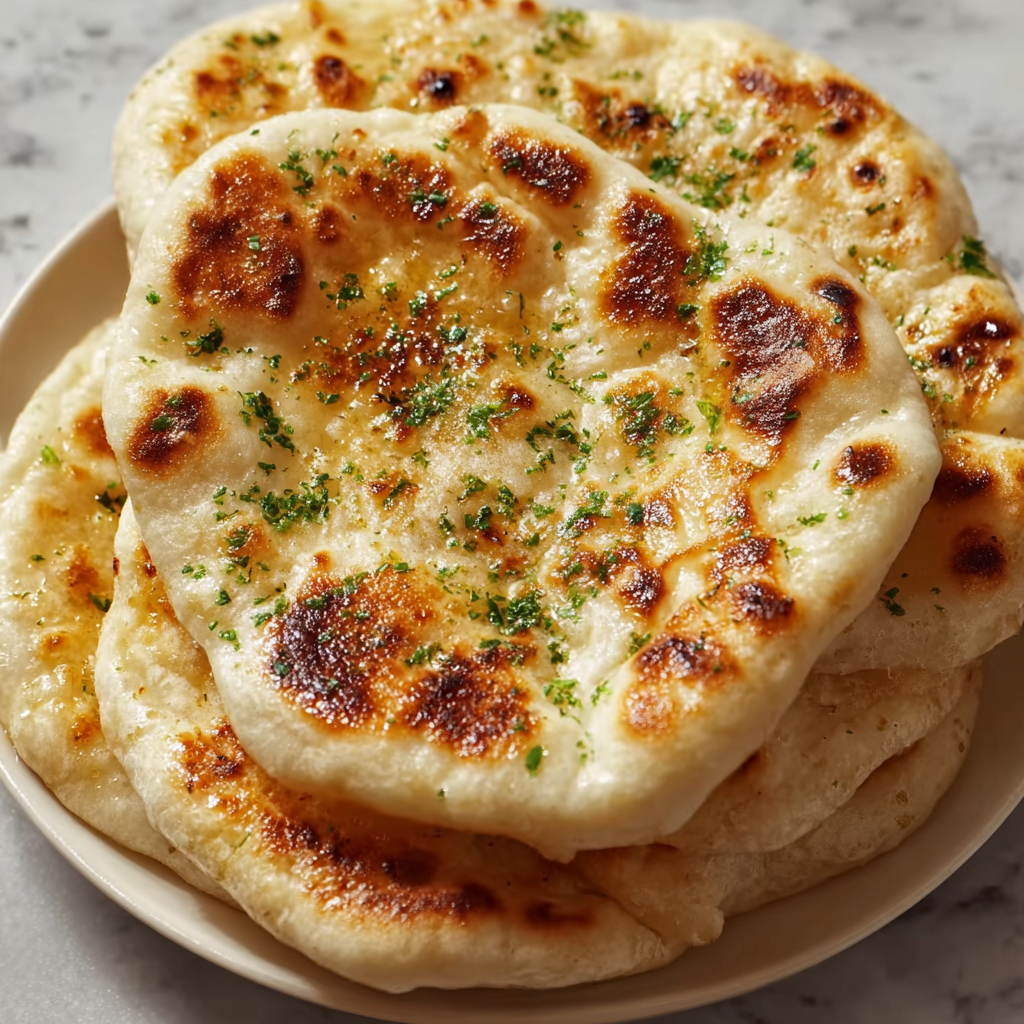
What makes this recipe special is its balance of authenticity and convenience. The dough uses yeast for structure and lift, yogurt for tenderness, and olive oil for richness. Cooking it on a skillet creates signature golden spots while locking in moisture, resulting in bread that’s soft inside with a gently crisp exterior.
This article walks you through everything you need to know—from cultural background and dough science to foolproof cooking techniques and creative serving ideas—so you can master this Turkish classic with confidence.
Ingredients
- All-purpose flour
- Active dry yeast
- Granulated sugar
- Salt
- Plain yogurt
- Olive oil
- Warm water
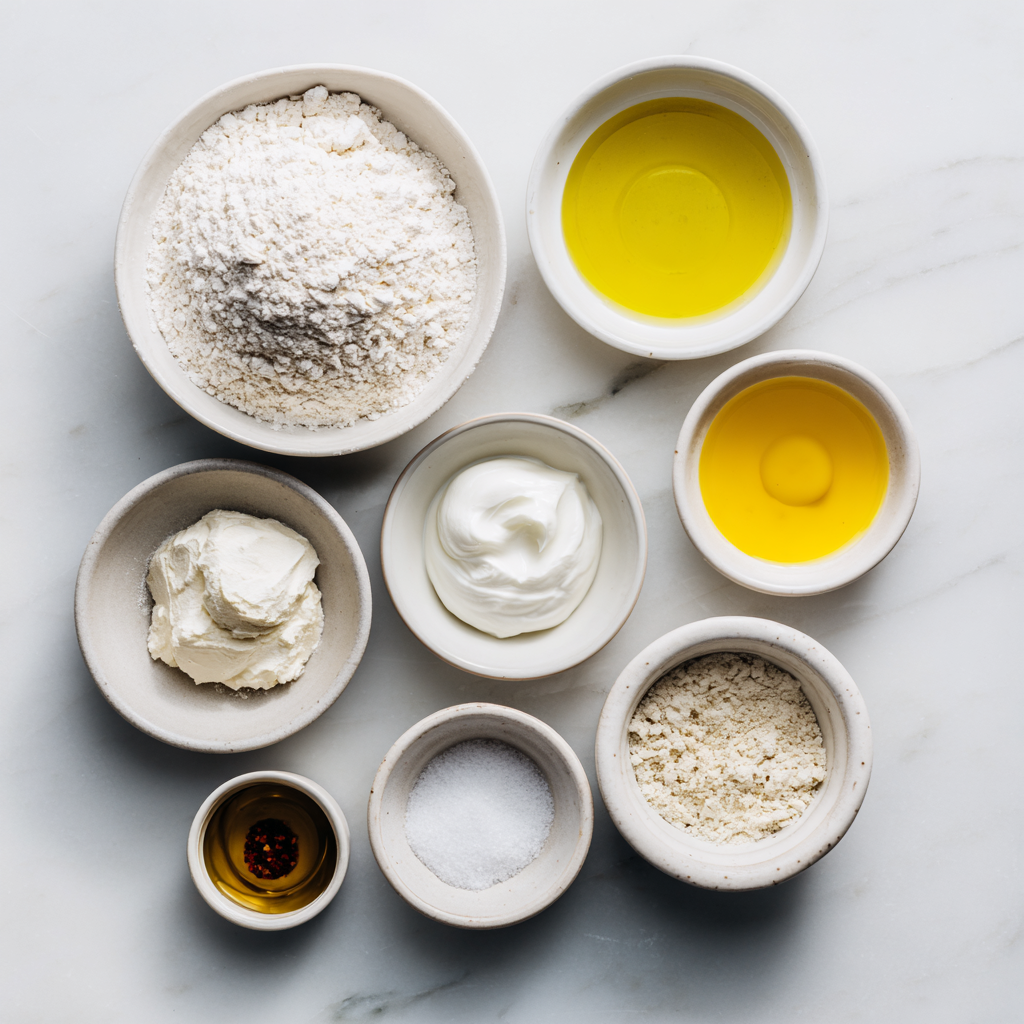
Each ingredient plays a specific role. Flour provides structure, yeast creates lift, yogurt adds tenderness and flavor, and olive oil keeps the crumb soft even after cooling. The ingredient list is intentionally short, making this recipe ideal for both beginner and experienced bread makers.
Instructions
- In a large bowl, combine warm water, sugar, and yeast. Let stand until foamy, about 5–10 minutes.
- Add yogurt, olive oil, and salt to the yeast mixture and stir to combine.
- Gradually add flour, mixing until a soft dough forms.
- Knead the dough on a lightly floured surface for 8–10 minutes until smooth and elastic.
- Place dough in a lightly oiled bowl, cover, and let rise until doubled in size, about 1 hour.
- Divide dough into equal portions and shape into balls.
- Roll each ball into a thick circle, about ½ inch thick.
- Heat a dry skillet or cast-iron pan over medium heat.
- Cook each flatbread for 2–3 minutes per side until puffed and golden with brown spots.
- Remove from pan, cover with a clean towel, and repeat with remaining dough.
Why This No-Oven Bread Works So Well
Unlike oven-baked breads that rely on surrounding heat, stovetop bread depends on direct surface heat. This method causes rapid steam formation inside the dough, creating those signature air pockets that make bazlama fluffy. The yogurt adds acidity, which tenderizes gluten and helps the bread stay soft even after cooling.
Because the bread cooks quickly, moisture stays locked inside. That’s why bazlama remains pillowy rather than dry, even without butter or milk in the dough.
Cultural Roots of Bazlama
Bazlama has deep roots in Turkish village cooking. Traditionally prepared on a sac (a convex metal griddle), it was a practical bread for households without ovens. Families would cook multiple rounds in the morning and keep them wrapped in cloth to stay warm throughout the day.
In Anatolian cuisine, bread isn’t just food—it’s a centerpiece. Bazlama often replaces cutlery, acting as both utensil and meal component. Its thickness makes it ideal for soaking up sauces, wrapping fillings, or tearing into generous pieces for sharing.
Dough Texture and Handling Tips
The dough should feel soft but not sticky. If it clings excessively to your hands, add flour one tablespoon at a time. Over-flouring will make the bread dense, so restraint is key.
Kneading is crucial. Proper kneading aligns gluten strands, giving the dough strength to puff during cooking. A well-kneaded dough will spring back slightly when pressed.
Resting time also matters. Allowing the dough to rise fully ensures maximum fluffiness and prevents tearing during rolling.
Cooking Technique Explained
Heat control is the secret to perfect bazlama. Too hot, and the outside burns before the inside cooks. Too cool, and the bread dries out without puffing.
A medium heat allows gradual expansion. You’ll notice bubbles forming within seconds—this is steam building inside the dough. Flip once the underside develops golden spots, then cook the second side until fully puffed.
Avoid pressing the bread while cooking. Pressing forces steam out and reduces fluffiness.
Variations You Can Try
Bazlama is a canvas for creativity. You can easily adapt the dough with small changes:
- Whole Wheat Bazlama: Replace up to 50% of the flour with whole wheat flour.
- Garlic Flatbread: Brush cooked bread with garlic-infused olive oil.
- Herbed Dough: Add chopped parsley or thyme directly into the dough.
- Seeded Top: Sprinkle sesame or nigella seeds onto the surface before cooking.
Each variation maintains the integrity of the bread while offering a new flavor experience.
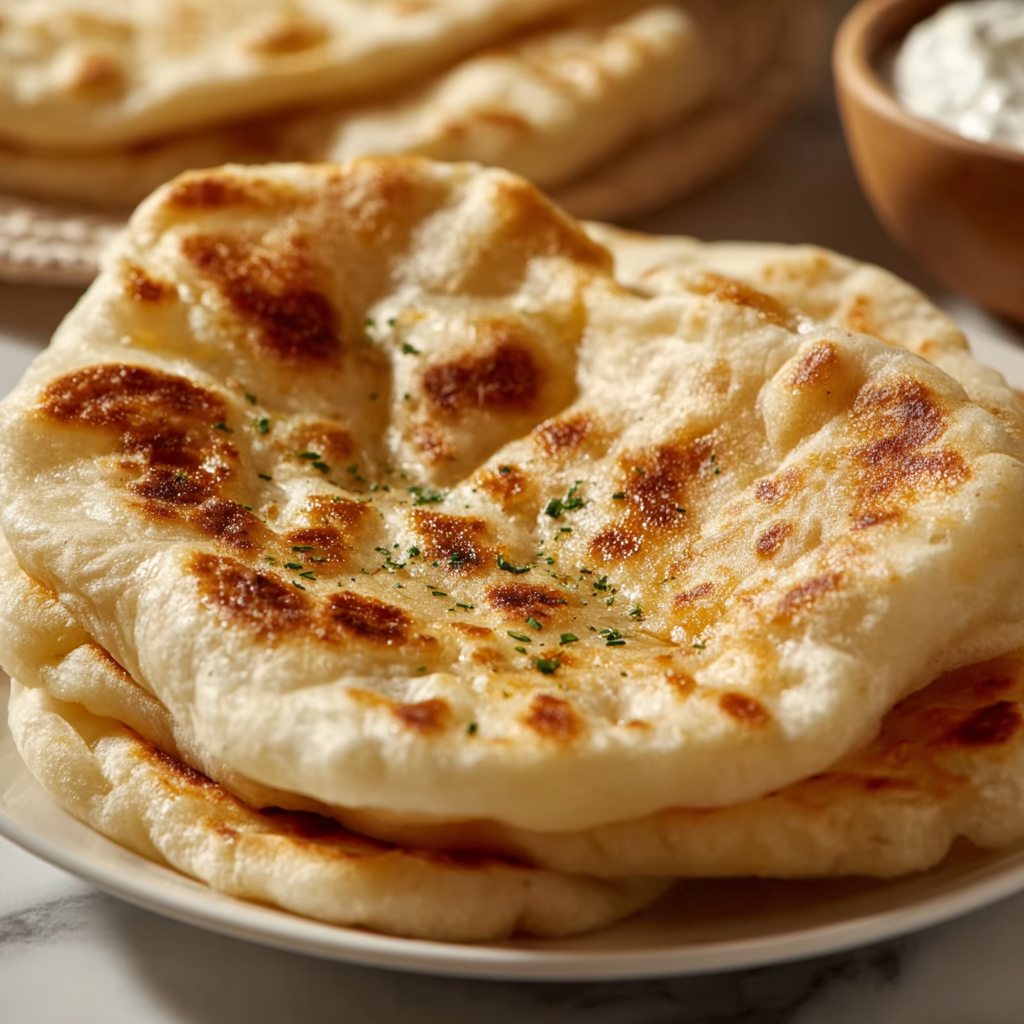
Serving Suggestions
This bread pairs beautifully with both simple and bold flavors. Serve it warm with:
- Olive oil and za’atar
- Labneh or yogurt cheese
- Grilled meats or roasted vegetables
- Lentil soup or chickpea stew
- Honey and butter for breakfast
It also works exceptionally well as a wrap or sandwich base due to its thickness and flexibility.
Storage and Reheating
Bazlama is best enjoyed fresh, but it stores well. Once cooled, keep it wrapped in a clean cloth or airtight container at room temperature for up to 2 days.
To reheat, warm briefly on a skillet or over an open flame. Avoid microwaving, as it can make the bread rubbery.
You can also freeze cooked flatbreads. Stack with parchment paper between each, seal in a freezer bag, and freeze for up to 2 months.
Common Mistakes to Avoid
- Skipping the yeast activation step
- Using water that’s too hot, which kills yeast
- Rolling the dough too thin
- Cooking on high heat
- Over-flouring during kneading
Avoiding these ensures consistently soft, puffy bread every time.
Why This Recipe Is Perfect for Home Cooks
This no-oven Turkish bread recipe checks every box: simple ingredients, minimal equipment, cultural authenticity, and reliable results. It’s approachable for beginners yet satisfying for seasoned cooks who appreciate traditional techniques.
By mastering this bread, you gain a foundational skill that opens the door to countless global flatbreads—all without turning on your oven.
No-Oven Turkish Bread (Bazlama-Style)
Soft, fluffy Turkish flatbread cooked on the stovetop with no oven required.
Ingredients
Equipment
Method
- Activate yeast with warm water and sugar until foamy.
- Mix in yogurt, olive oil, salt, and flour to form dough.
- Knead until smooth and elastic.
- Let rise until doubled.
- Divide, roll, and cook on skillet until golden and puffed.
Notes
Keep cooked bread covered to retain softness.