The Best Fluffy Pancakes recipe you will fall in love with. Full of tips and tricks to help you make the best pancakes.

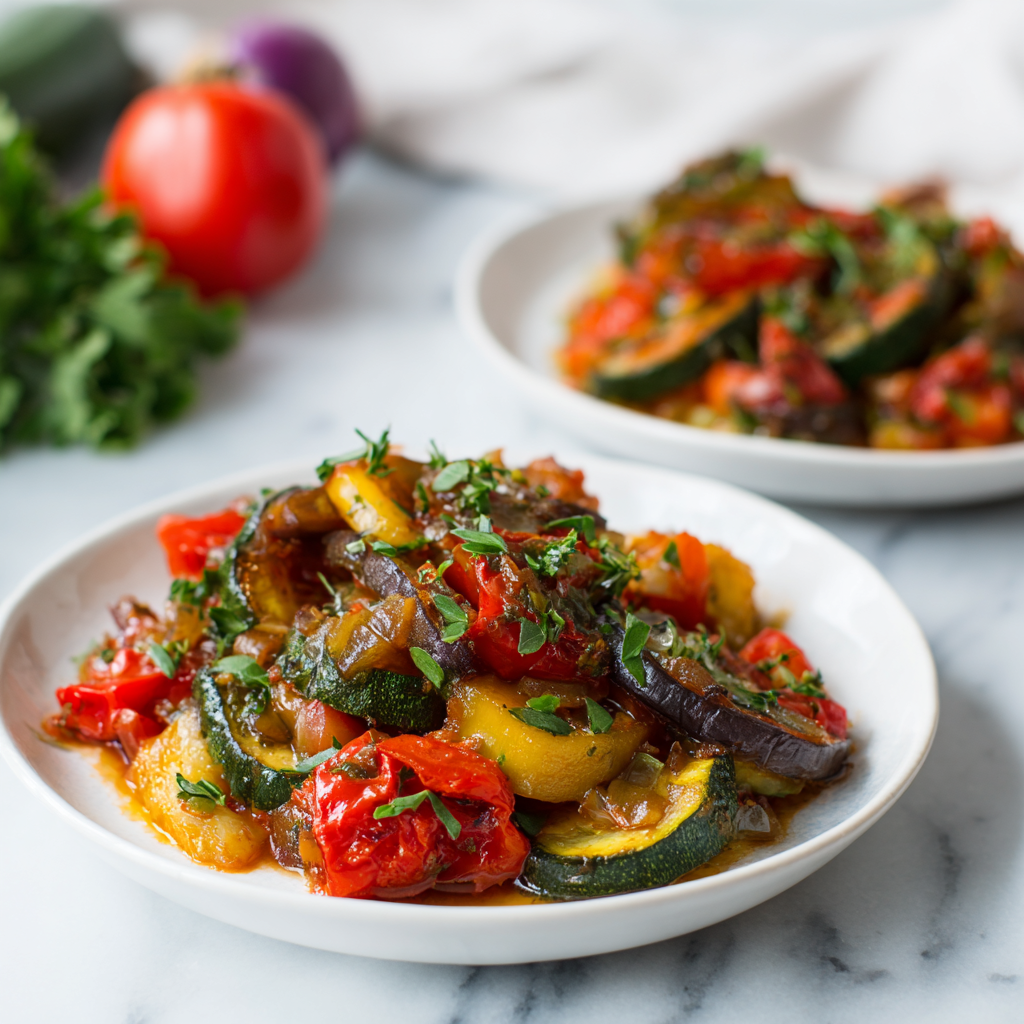
Few dishes capture the essence of summer quite like a Classic Ratatouille Recipe with Fresh Summer Vegetables. Vibrant, aromatic, rustic, and deeply satisfying, ratatouille is more than just a vegetable stew — it’s a celebration of seasonal produce, Mediterranean flavors, and timeless French culinary tradition.
Whether you’ve encountered ratatouille through fine dining, home cooking, or cinema, one thing remains consistent: this dish transforms simple vegetables into something extraordinary. Soft, silky textures meet rich tomato depth, fragrant herbs, and luxurious olive oil, creating a meal that feels both wholesome and indulgent.
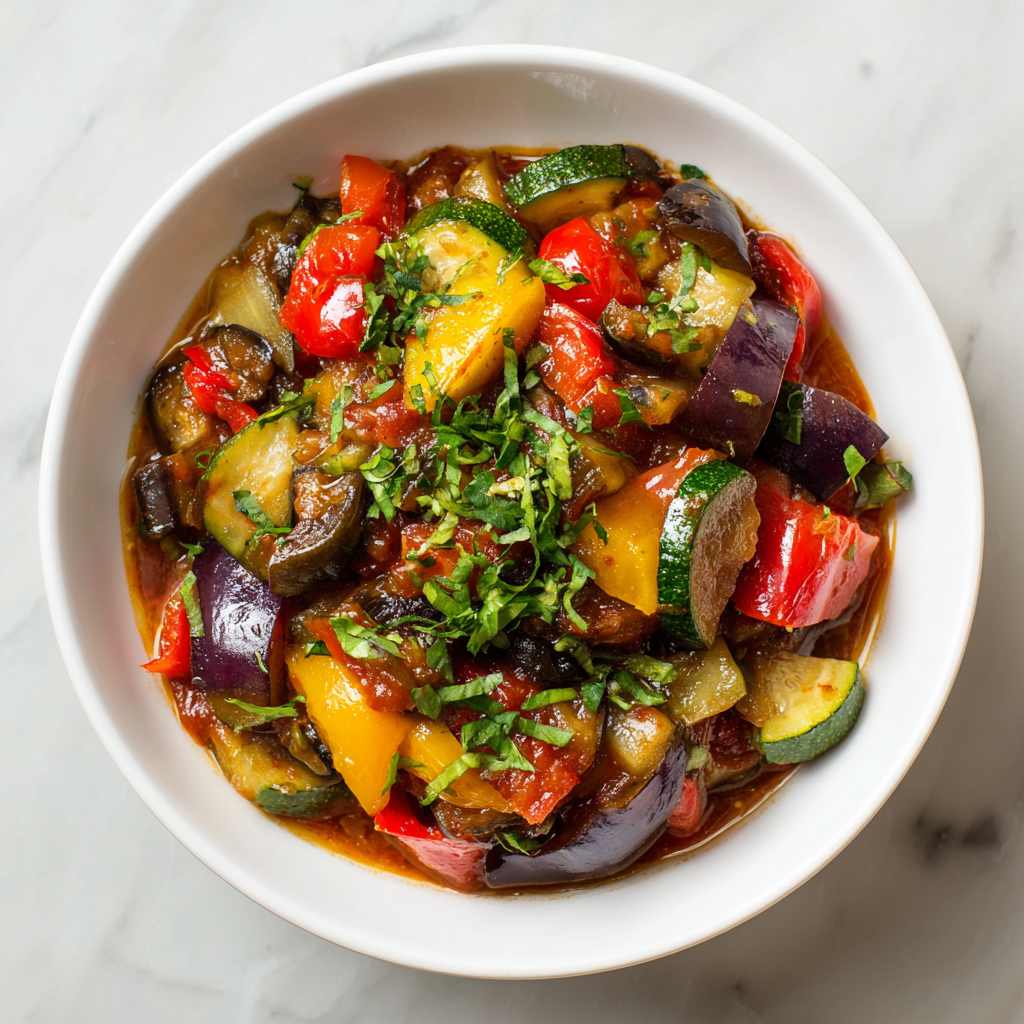
In this comprehensive guide, we’ll explore not just how to make ratatouille, but why it works so beautifully, how to perfect it, and how to adapt it to your own kitchen.
What Is Ratatouille?
Ratatouille is a traditional French vegetable stew originating from Provence. At its core, it’s a slow-cooked medley of summer vegetables gently simmered in olive oil, tomatoes, garlic, and herbs.
Classic ingredients include:
- Eggplant
- Zucchini
- Tomatoes
- Bell peppers
- Onions
- Garlic
Despite its humble origins, ratatouille has become one of the most iconic Mediterranean vegetable recipes worldwide.
Why Ratatouille Is So Special
What makes ratatouille exceptional isn’t complexity — it’s technique, patience, and ingredient synergy.
1. Seasonal Perfection
Ratatouille shines brightest when made with peak-season vegetables.
2. Deep Flavor Development
Slow cooking allows vegetables to release sugars and aromas.
3. Texture Harmony
Each vegetable softens while retaining identity.
4. Nutritional Density
Packed with fiber, antioxidants, and micronutrients.
5. Extraordinary Versatility
Works as main, side, topping, or filling.
This healthy summer vegetable dish proves that plant-forward cooking can be profoundly satisfying.
Flavor & Texture Profile
A properly executed ratatouille delivers:
- Silky, tender vegetables
- Rich, lightly acidic tomato base
- Herbaceous aromatics
- Subtle sweetness from slow cooking
- Balanced savory depth
The dish is comforting yet refreshing — hearty without heaviness.
The Philosophy Behind Traditional Ratatouille
Ratatouille is rooted in rustic cooking traditions where maximizing flavor from simple ingredients was essential. Farmers and home cooks relied on slow simmering to elevate abundant summer produce.
This dish exemplifies:
- Ingredient respect
- Minimal waste
- Seasonal awareness
- Simple techniques
- Flavor patience
It’s culinary minimalism at its finest.
Ingredients
- 1 medium eggplant, diced
- 2 zucchinis, sliced
- 3 ripe tomatoes, chopped
- 1 bell pepper, sliced
- 1 onion, chopped
- 2 cloves garlic, minced
- 3 tbsp olive oil
- Salt, to taste
- Black pepper, to taste
- Optional: thyme, basil, or parsley
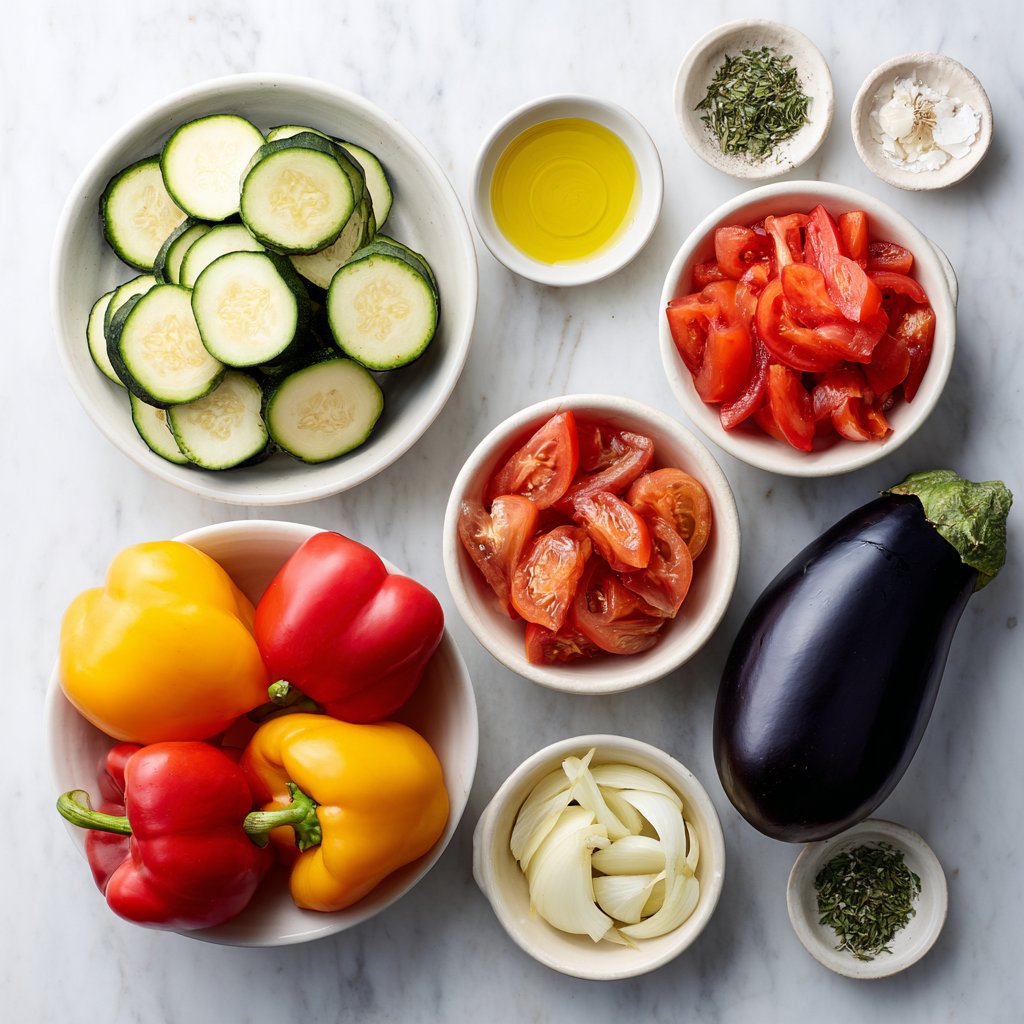
Fresh, simple, foundational ingredients.
Ingredient Deep Dive
Eggplant – The Silky Backbone
Absorbs flavor and provides luxurious texture.
Zucchini – Fresh & Tender
Adds lightness and moisture.
Tomatoes – The Flavor Base
Create the stew’s aromatic foundation.
Bell Peppers – Sweet & Aromatic
Provide subtle sweetness.
Onion & Garlic – Flavor Builders
Essential aromatic depth.
Olive Oil – The Binding Element
Carries flavors and enhances mouthfeel.
Herbs – The Signature Accent
Elevate the entire dish.
Instructions
- Prepare All Vegetables
Dice and slice ingredients uniformly for even cooking. - Sauté Aromatics
Heat olive oil, cook onion and garlic until fragrant. - Cook Eggplant First
Add eggplant, sauté until lightly softened. - Add Bell Peppers
Cook until beginning to tenderize. - Incorporate Zucchini
Stir gently to avoid breaking vegetables. - Add Tomatoes & Seasoning
Salt, pepper, herbs if using. - Simmer Gently
Cook uncovered on low heat for 20–30 minutes. - Adjust Final Seasoning
Balance acidity, salt, and herbs. - Rest Before Serving
Flavors deepen as it cools slightly.
Pro Tips for Perfect Ratatouille
1. Cut Vegetables Evenly
Ensures uniform texture.
2. Cook Gradually
Layering ingredients builds flavor complexity.
3. Avoid High Heat
Prevents mushy or burnt vegetables.
4. Salt Strategically
Enhances sweetness and flavor extraction.
5. Let It Rest
Ratatouille improves after sitting.
Common Mistakes & Solutions
Watery Stew
Cause: Excess vegetable moisture
Fix: Simmer uncovered longer
Mushy Texture
Cause: Overcooking
Fix: Monitor cooking time
Flat Flavor
Cause: Under-seasoning
Fix: Adjust salt and herbs
Greasy Result
Cause: Excess oil
Fix: Moderate olive oil use
Variations & Creative Adaptations
Ratatouille is endlessly adaptable.
Rustic Chunky Style
Keep vegetables larger.
Smooth Sauce Version
Blend partially for refined texture.
Oven-Baked Ratatouille
Layer vegetables visually.
Protein-Enriched Version
Add chickpeas or grilled chicken.
Spicy Mediterranean Twist
Add chili flakes.
Serving Suggestions
Ratatouille pairs beautifully with:
- Crusty bread
- Rice
- Quinoa
- Grilled meats
- Fish
- Eggs
- Pasta
It functions equally well as:
- Main dish
- Side dish
- Topping
- Filling
- Sauce
Few dishes offer this flexibility.
Why Ratatouille Is a Nutritional Powerhouse
This healthy summer vegetable dish is rich in:
- Fiber
- Antioxidants
- Vitamins
- Minerals
- Plant compounds
Low in calories yet highly satiating.
Perfect for:
- Mediterranean diets
- Plant-based eating
- Weight-conscious meals
- Anti-inflammatory lifestyles
Storage & Meal Prep Advantages
Refrigeration
Stores well for 4–5 days.
Freezing
Excellent freezer-friendly meal.
Reheating
Flavors intensify over time.
Ratatouille is arguably better the next day.
Cultural & Culinary Context
Ratatouille embodies Provençal cooking — rustic, ingredient-focused, and deeply connected to agricultural rhythms.
It represents:
- Seasonal abundance
- Culinary heritage
- Simplicity-driven excellence
- Vegetable-forward tradition
A dish with history, identity, and global recognition.
The Science of Slow Cooking Vegetables
Gentle heat breaks down plant fibers while preserving structural integrity. This creates the signature silky-yet-defined texture.
Proper simmering allows:
- Flavor concentration
- Natural sweetness development
- Aromatic integration
Frequently Asked Questions
Can I skip eggplant?
Yes, but texture will change.
Can I make it ahead?
Highly recommended.
Can I use canned tomatoes?
Yes, though fresh is ideal.
Is ratatouille vegan?
Traditionally, yes.
Why does ratatouille taste better later?
Flavor compounds continue to integrate.
When to Enjoy Ratatouille
Ideal for:
- Summer meals
- Light dinners
- Meal prep
- Entertaining
- Vegetarian menus
- Healthy eating plans
It transitions effortlessly across occasions.
Final Thoughts
This Classic Ratatouille Recipe with Fresh Summer Vegetables proves that extraordinary cooking doesn’t require complicated techniques or rare ingredients.
It’s:
- Timeless
- Healthy
- Versatile
- Flavor-packed
- Beautifully simple
Once mastered, ratatouille becomes a cornerstone recipe you return to repeatedly — not just for nutrition, but for pure enjoyment.
Classic Ratatouille Recipe with Fresh Summer Vegetables
A vibrant French vegetable stew made with fresh summer vegetables, olive oil, and aromatic herbs. Healthy, rustic, and deeply flavorful.
Ingredients
Equipment
Method
- Sauté onion and garlic in olive oil.
- Add eggplant and cook until softened.
- Add bell pepper and zucchini.
- Add tomatoes and seasoning.
- Simmer gently until vegetables are tender.
Notes
Ratatouille tastes even better the next day.