The Best Fluffy Pancakes recipe you will fall in love with. Full of tips and tricks to help you make the best pancakes.

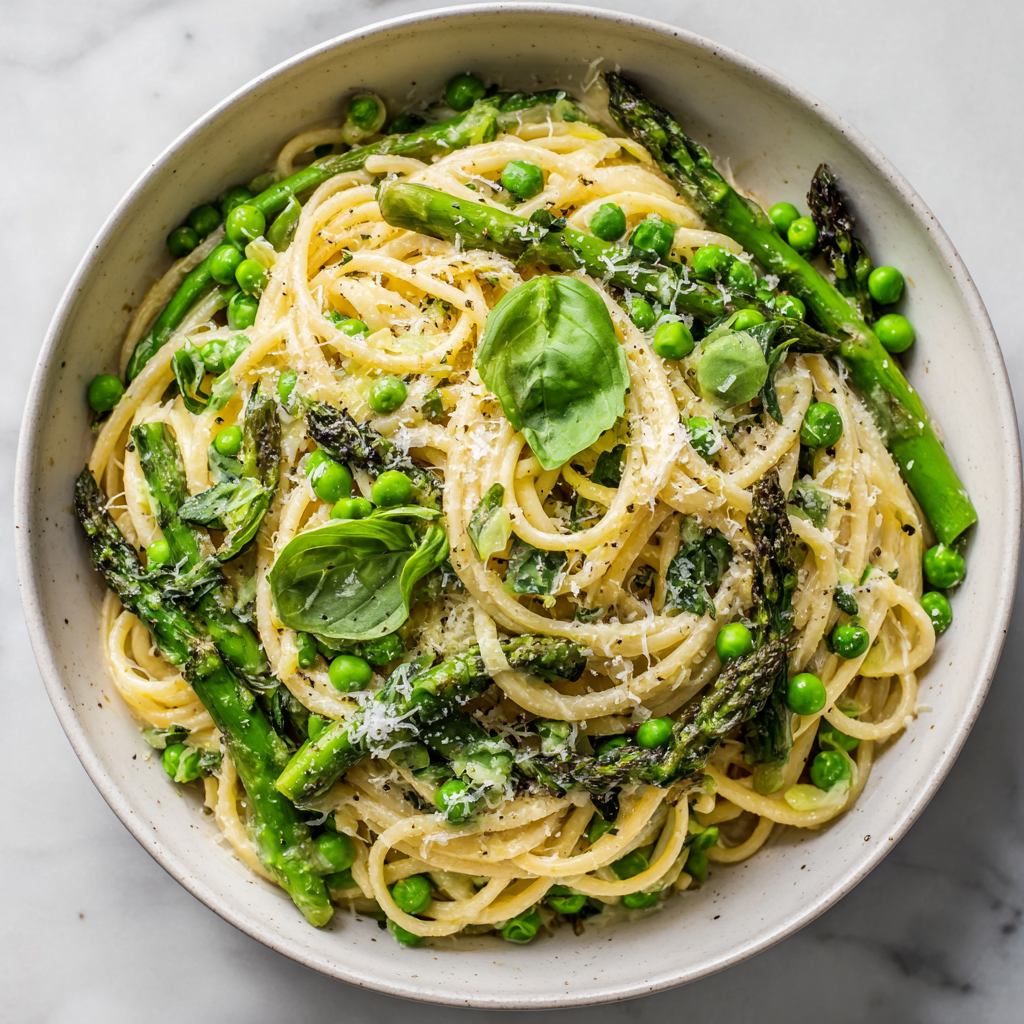
When spring produce is at its best, simple recipes shine the brightest—and this Asparagus and Pea Spring Pasta is the perfect example. Fresh, light, colorful, and packed with seasonal flavor, this pasta brings together tender asparagus, sweet green peas, bright lemon, parmesan cheese, and silky pasta for a dish that feels both comforting and refreshing.
It is the kind of meal that looks beautiful on the table but takes surprisingly little effort to make. Perfect for busy weeknights, weekend lunches, or easy entertaining, this spring vegetable pasta celebrates fresh ingredients without needing complicated techniques.
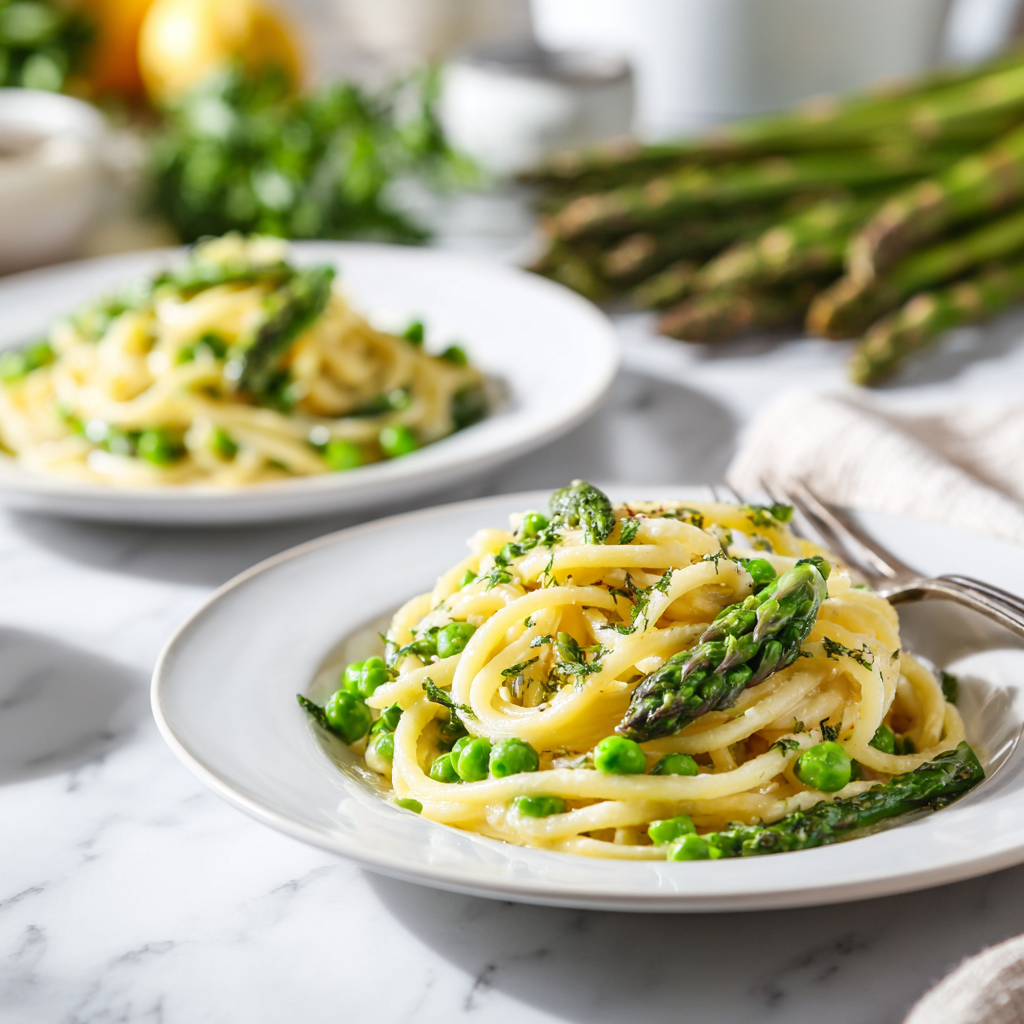
If you are looking for a meal that feels like sunshine on a plate, this is it.
This recipe truly says peak season right now.
Why You’ll Love This Spring Pasta Recipe
There are so many reasons this lemon asparagus pasta deserves a spot in your seasonal meal rotation.
First, it is quick and easy. You can have dinner on the table in around 30 minutes using simple pantry staples and fresh vegetables.
Second, it is light but satisfying. The pasta brings comfort while the asparagus, peas, and lemon keep everything fresh and balanced.
Third, it is beautiful. Bright greens, golden pasta, and fresh herbs make this dish feel elegant without extra work.
Fourth, it is flexible. You can easily add grilled chicken, shrimp, or extra vegetables depending on what you have on hand.
And finally, it tastes like spring. Every bite feels fresh, vibrant, and full of seasonal flavor.
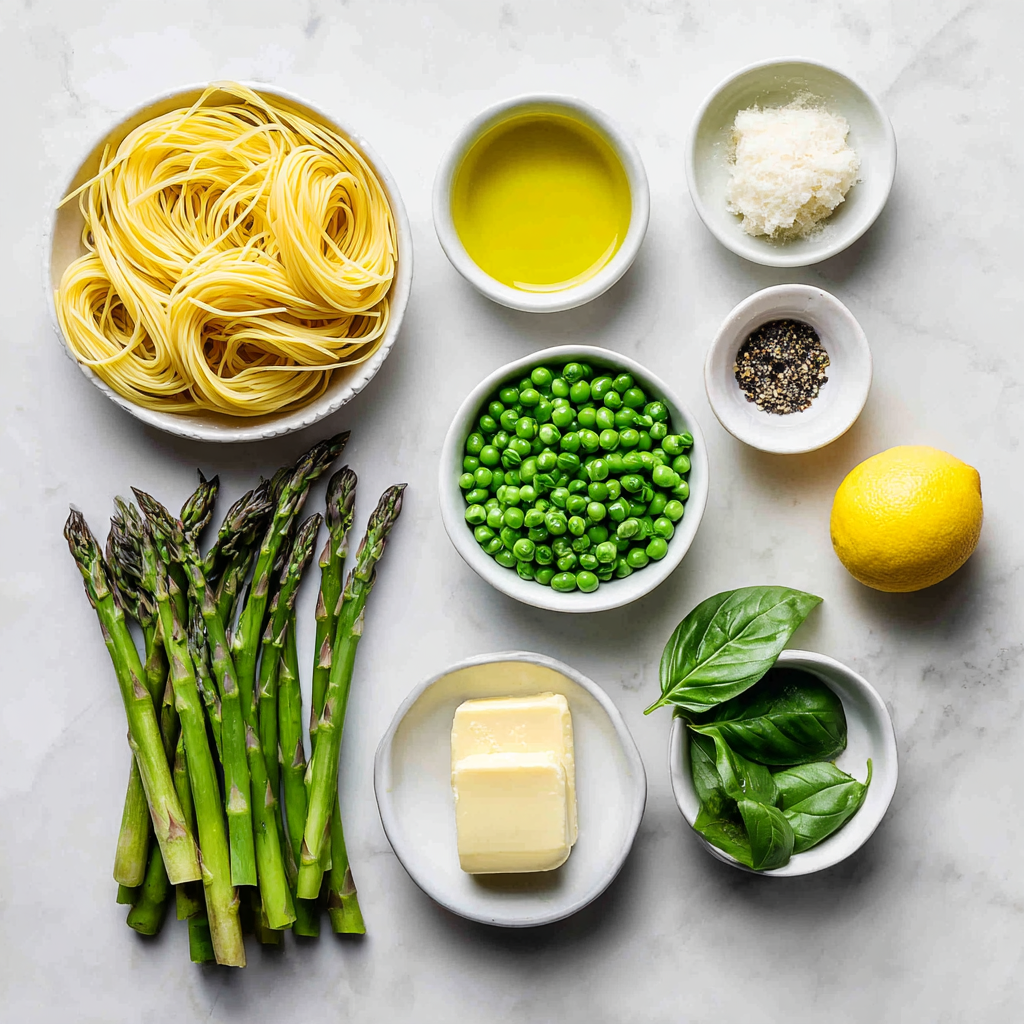
Ingredients
- 12 ounces pasta (penne, fettuccine, or spaghetti)
- 1 bunch fresh asparagus, trimmed and cut into 2-inch pieces
- 1 cup green peas (fresh or frozen)
- 3 garlic cloves, minced
- 2 tablespoons olive oil
- 2 tablespoons butter
- 1 lemon (zest and juice)
- 3/4 cup grated parmesan cheese
- 1/2 teaspoon salt
- 1/2 teaspoon black pepper
- 1/4 teaspoon red pepper flakes (optional)
- 1/4 cup fresh basil leaves, chopped
- Extra parmesan for serving
Instructions
- Bring a large pot of salted water to a boil and cook the pasta according to package instructions until al dente.
- During the last 2 to 3 minutes of cooking, add the asparagus pieces and peas to the same pot with the pasta.
- Reserve 1 cup of pasta water, then drain the pasta and vegetables together.
- In a large skillet, heat olive oil and butter over medium heat.
- Add the minced garlic and cook for 30 seconds until fragrant.
- Add the drained pasta, asparagus, and peas to the skillet and toss gently.
- Stir in lemon zest, lemon juice, parmesan cheese, salt, black pepper, and optional red pepper flakes.
- Add a splash of reserved pasta water as needed to create a light silky sauce.
- Toss until everything is evenly coated and glossy.
- Remove from heat and stir in fresh basil.
- Serve warm with extra parmesan and freshly cracked black pepper on top.
Tips for the Best Asparagus Pea Pasta
Do not overcook the asparagus. It should stay bright green and slightly crisp for the best texture and flavor.
Save that pasta water. It helps create a silky sauce without needing heavy cream.
Fresh lemon zest makes a huge difference. It adds bright flavor that bottled lemon juice alone cannot match.
Use freshly grated parmesan for smoother melting and richer taste.
If using frozen peas, there is no need to thaw them first—just add them directly to the boiling pasta water.
Delicious Variations
This easy spring pasta recipe is wonderfully flexible.
Creamy Version: Add a splash of heavy cream or a spoonful of ricotta for extra richness.
Protein Version: Top with grilled chicken, salmon, or sautéed shrimp.
Herb Version: Add fresh dill, parsley, or mint for a different spring flavor profile.
Veggie Version: Include spinach, zucchini, or leeks for even more seasonal vegetables.
Goat Cheese Version: Replace parmesan with crumbled goat cheese for a tangy finish.
What to Serve with Spring Vegetable Pasta
This pasta works beautifully as both a main dish and a side.
Serve it with grilled chicken or roasted salmon for a more filling dinner.
Pair it with crusty bread and a crisp green salad for a simple but elegant lunch.
It also works wonderfully as part of a spring brunch spread with quiche, fruit, and sparkling lemonade.
For entertaining, serve it family-style in a large bowl with extra herbs and parmesan on top for a beautiful presentation.
Storage and Reheating
Store leftovers in an airtight container in the refrigerator for up to 3 days.
To reheat, warm gently in a skillet with a small splash of water or broth to loosen the sauce.
Avoid microwaving too long, as the asparagus can become too soft.
This pasta is best enjoyed fresh, but leftovers still make a delicious quick lunch the next day.
Freezing is not recommended because the vegetables may lose their texture.
Fun Fact About Spring Pasta
Spring pasta recipes became especially popular because they highlight vegetables at their seasonal peak, when flavors are naturally sweeter and fresher.
Asparagus and peas are classic spring ingredients because they arrive just as people start craving lighter meals after winter comfort foods.
That balance of freshness and comfort is exactly why recipes like this remain favorites year after year.
Final Thoughts
This Asparagus and Pea Spring Pasta is bright, simple, and packed with fresh seasonal flavor. It is one of those recipes that feels fancy enough for guests but easy enough for a regular Tuesday night.
With lemon, parmesan, tender asparagus, and sweet peas in every bite, it delivers comfort without heaviness and freshness without extra work.
If you are looking for the perfect spring vegetable pasta recipe, this one deserves a permanent place in your collection.
Simple ingredients. Peak season flavor. A bowl of spring in every bite.
Asparagus and Pea Spring Pasta
A light and fresh spring pasta with asparagus, green peas, lemon, parmesan, and basil for an easy seasonal dinner.
Ingredients
Equipment
Method
- Cook pasta in salted boiling water until al dente.
- During the last 2–3 minutes, add asparagus and peas to the same pot.
- Reserve 1 cup pasta water, then drain pasta and vegetables together.
- Heat olive oil and butter in a large skillet over medium heat.
- Add garlic and cook for 30 seconds until fragrant.
- Add drained pasta, asparagus, and peas to the skillet and toss gently.
- Stir in lemon zest, lemon juice, parmesan, salt, black pepper, and optional red pepper flakes.
- Add reserved pasta water as needed to create a light silky sauce.
- Remove from heat, stir in basil, and serve with extra parmesan.
Notes
Do not overcook the asparagus—keeping it bright green and slightly crisp makes the dish much fresher and more flavorful.