The Best Fluffy Pancakes recipe you will fall in love with. Full of tips and tricks to help you make the best pancakes.

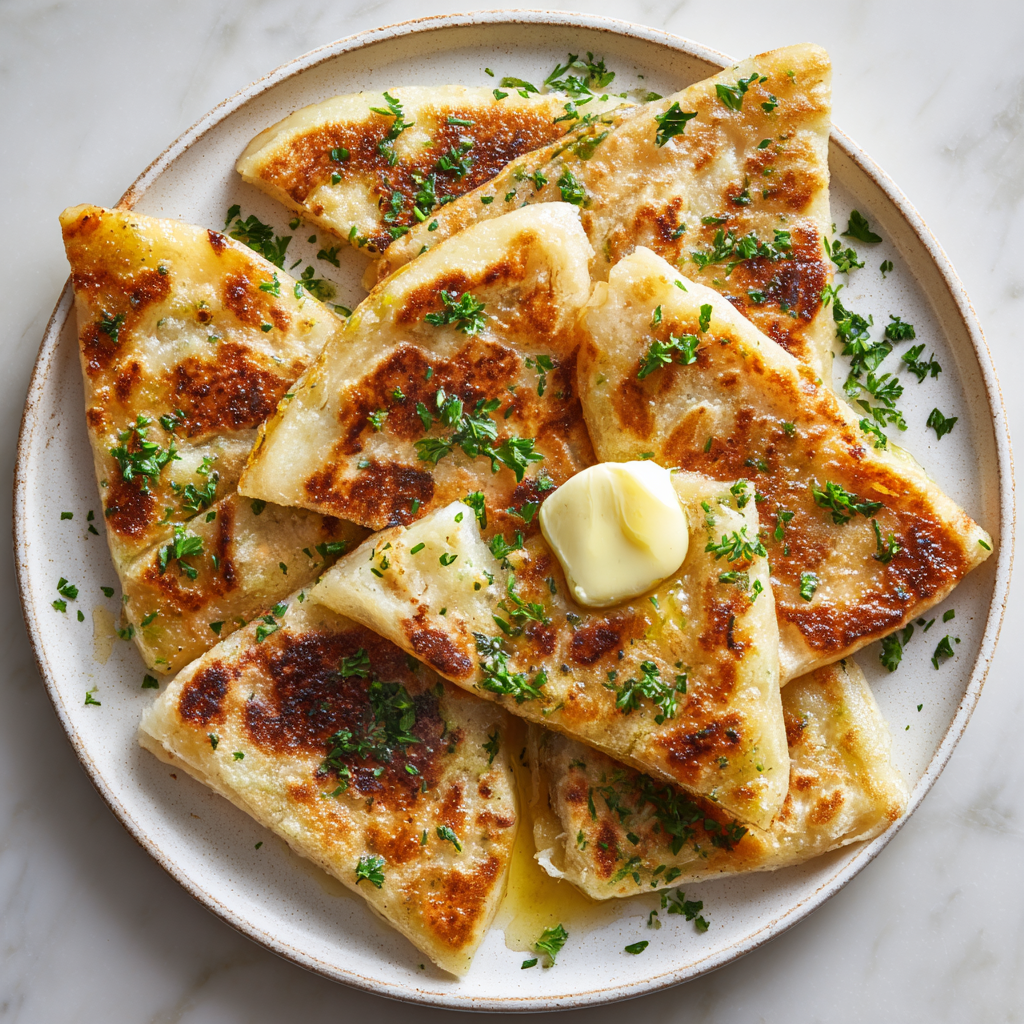
Few dishes represent Irish comfort food quite like Irish Potato Farls. These golden, pan-fried potato breads are a beloved staple of traditional Irish cuisine, especially as part of a hearty breakfast. With their crispy edges, soft interior, and rich potato flavor, farls are simple to make yet incredibly satisfying.
The word “farl” comes from the Gaelic word fardel, meaning “four parts.” This refers to the traditional method of shaping the dough into a round and then cutting it into four triangular pieces before cooking. The result is a rustic bread that cooks quickly on a skillet and pairs beautifully with butter, eggs, bacon, or jam.
Historically, potato farls were created as a clever way to use leftover mashed potatoes. In Ireland, potatoes have long been a cornerstone of the diet, so it’s no surprise that they found their way into breads and baked goods. By mixing mashed potatoes with flour and butter, home cooks could create a quick and filling bread without needing yeast.
Today, Irish Potato Farls remain a beloved dish served in homes, cafés, and traditional Irish breakfasts around the world. Their simplicity is part of their charm: just a handful of ingredients, a hot skillet, and a few minutes of cooking time.
Whether you’re exploring Irish cuisine, looking for a creative way to use leftover mashed potatoes, or simply craving something warm and comforting, potato farls are a recipe worth trying.
Ingredients
Making traditional Irish potato farls requires only a few pantry staples.
- 2 cups mashed potatoes (cooled, preferably leftover)
- ½ cup all-purpose flour (plus extra for dusting)
- 2 tablespoons butter, melted
- ½ teaspoon salt
- ¼ teaspoon black pepper
- 1 tablespoon butter or oil for frying

Optional toppings and serving ideas:
- Butter
- Fried eggs
- Bacon or sausage
- Jam or honey
- Chopped chives or parsley
Instructions
1. Prepare the Potato Mixture
Place the cooled mashed potatoes in a mixing bowl. Make sure they are smooth and free of lumps.
2. Add Butter and Seasoning
Mix in the melted butter, salt, and black pepper. Stir until everything is evenly combined.
3. Add the Flour
Gradually add the flour to the potato mixture. Mix gently until a soft dough forms. The dough should be slightly sticky but easy to handle.
4. Shape the Dough
Lightly flour your work surface and turn the dough out onto it. Gently knead it a few times until smooth.
5. Form the Round
Pat or roll the dough into a circle about ½ inch thick.
6. Cut the Farls
Using a knife, cut the circle into four equal triangular pieces. These wedges are the traditional farls.
7. Heat the Pan
Heat a skillet or frying pan over medium heat and add butter or oil.
8. Cook the Farls
Place the potato farls in the pan and cook for 3–4 minutes per side until golden brown and slightly crispy.
9. Serve Warm
Remove from the pan and serve immediately with butter or your favorite breakfast sides.
Why Irish Potato Farls Are So Popular
Simple Ingredients
Only a handful of ingredients are required, most of which are already in your kitchen.
Quick Cooking
Unlike yeast breads, farls cook quickly in a skillet.
Perfect Use for Leftovers
Leftover mashed potatoes transform into a delicious new dish.
Versatile Dish
They can be served with sweet or savory toppings.
Tips for Perfect Potato Farls
Use Cold Mashed Potatoes
Cold potatoes hold their shape better and create a firmer dough.
Don’t Overwork the Dough
Mix just enough to combine the ingredients. Overworking can make the farls tough.
Keep the Pan at Medium Heat
Too hot and they’ll burn; too low and they won’t develop a crispy crust.
Dust with Flour
A lightly floured surface prevents sticking and helps with shaping.
Variations to Try
Cheesy Potato Farls
Add ½ cup shredded cheddar cheese to the dough for extra flavor.
Herb Potato Farls
Mix in chopped chives, parsley, or green onions.
Whole Wheat Version
Replace half of the flour with whole wheat flour.
Garlic Butter Farls
Brush cooked farls with melted garlic butter for a savory twist.
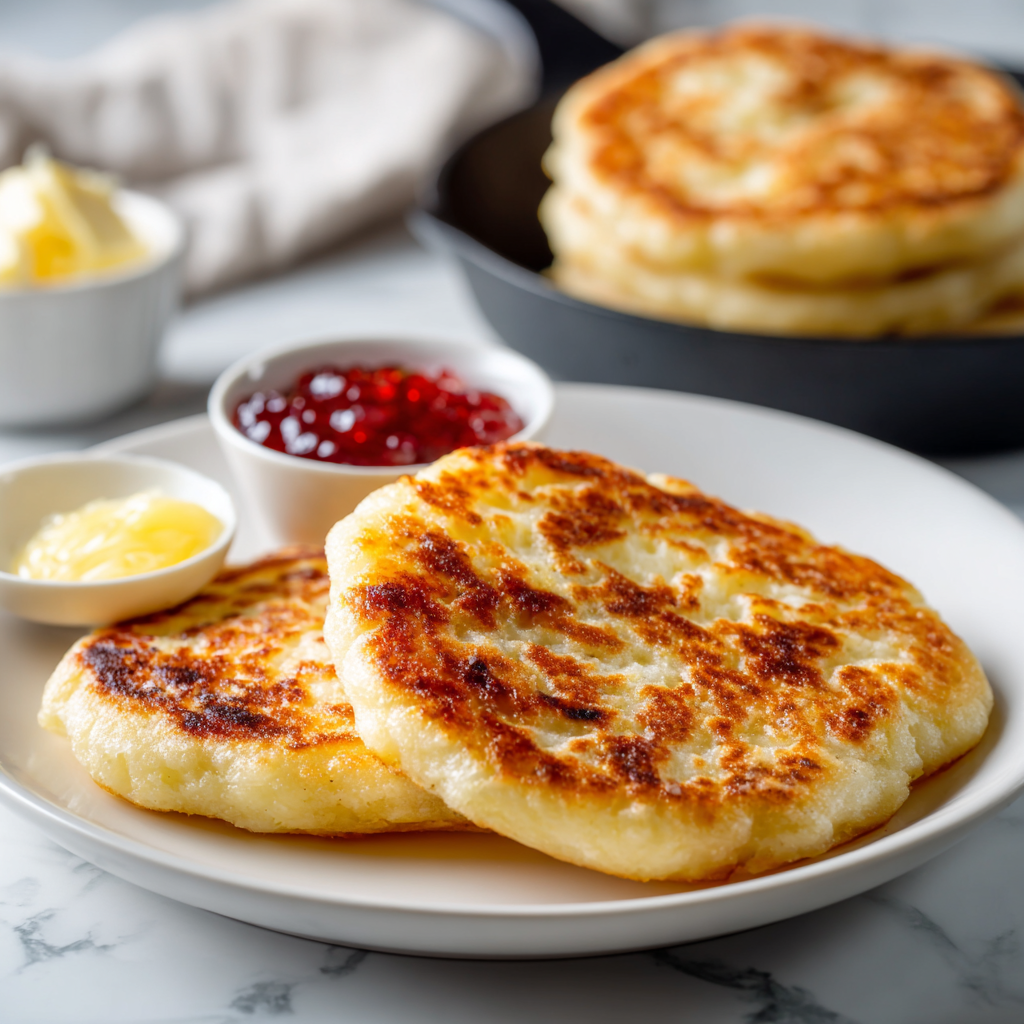
Traditional Irish Breakfast Pairings
Potato farls are a staple of the famous Ulster Fry, a traditional Northern Irish breakfast that typically includes:
- Eggs
- Bacon
- Sausages
- Black pudding
- Baked beans
- Soda bread
- Potato farls
Together, these items create a hearty and satisfying breakfast that has been enjoyed in Ireland for generations.
Storage and Reheating
Refrigerator
Store cooked farls in an airtight container for up to 3 days.
Freezer
Freeze cooked farls for up to 2 months. Place parchment paper between them to prevent sticking.
Reheating
Reheat in a skillet over medium heat or toast them lightly in a toaster.
Fun Cultural Fact
Potatoes became central to Irish cooking in the 18th century because they grew well in Ireland’s climate and provided a reliable source of nutrition. Recipes like potato farls developed out of necessity and creativity, turning simple ingredients into comforting everyday foods.
Today, farls remain a cherished part of Irish culinary tradition and are often served during holidays, family breakfasts, and special occasions.
Final Thoughts
Irish Potato Farls prove that the simplest recipes can be the most satisfying. With just potatoes, flour, butter, and a hot skillet, you can create a traditional Irish dish that has been enjoyed for generations.
Whether served alongside eggs and bacon for breakfast or enjoyed with butter and jam for a snack, potato farls are warm, comforting, and full of rustic flavor.
Give this classic Irish recipe a try and bring a taste of Ireland to your kitchen.
Irish Potato Farls
Traditional Irish potato bread made with mashed potatoes, flour, and butter, pan-fried until golden and crispy.
Ingredients
Equipment
Method
- Place mashed potatoes in a mixing bowl and mix with melted butter, salt, and pepper.
- Gradually add flour and mix until a soft dough forms.
- Turn dough onto a lightly floured surface and gently knead.
- Roll or pat dough into a circle about 1/2 inch thick.
- Cut the circle into four triangular pieces.
- Heat butter or oil in a skillet over medium heat.
- Cook farls for 3–4 minutes on each side until golden brown.
- Serve warm with butter or traditional breakfast sides.
Notes
Best made with leftover mashed potatoes. Serve with eggs, bacon, or butter for a traditional Irish breakfast.