The Best Fluffy Pancakes recipe you will fall in love with. Full of tips and tricks to help you make the best pancakes.

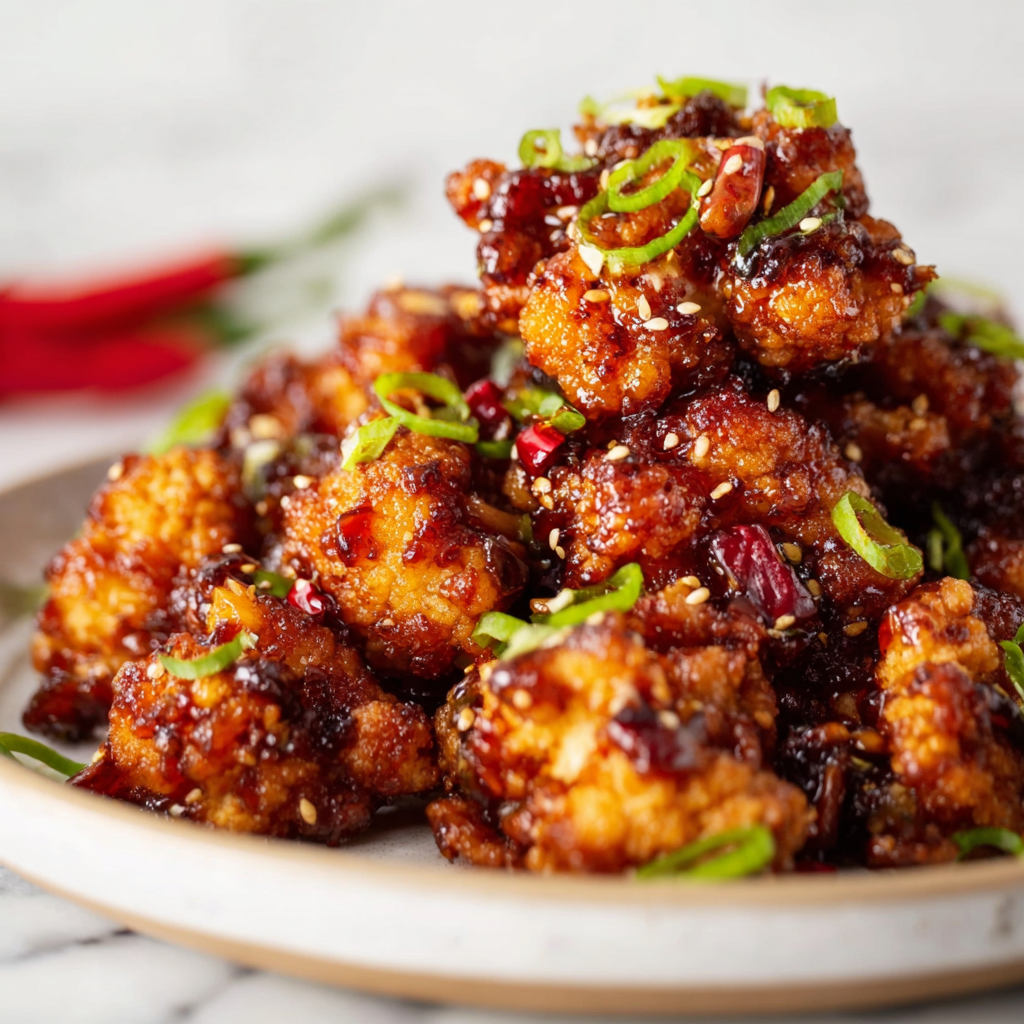
Bold, sticky, spicy, and deeply satisfying, Korean Chili Cauliflower (Crispy, Sticky & Vegan) proves that plant-based cooking can be just as indulgent and crave-worthy as any traditional comfort dish. This recipe transforms humble cauliflower into golden, crunchy bites coated in a glossy Korean-style chili sauce that delivers heat, sweetness, and umami in perfect balance.
Cauliflower has become one of the most versatile vegetables in modern cooking, and for good reason. Its neutral flavor and sturdy texture make it an ideal canvas for bold sauces and crispy coatings. When battered, baked or fried, and tossed in a sticky chili glaze, cauliflower takes on a meaty, satisfying quality that appeals to vegans and non-vegans alike.
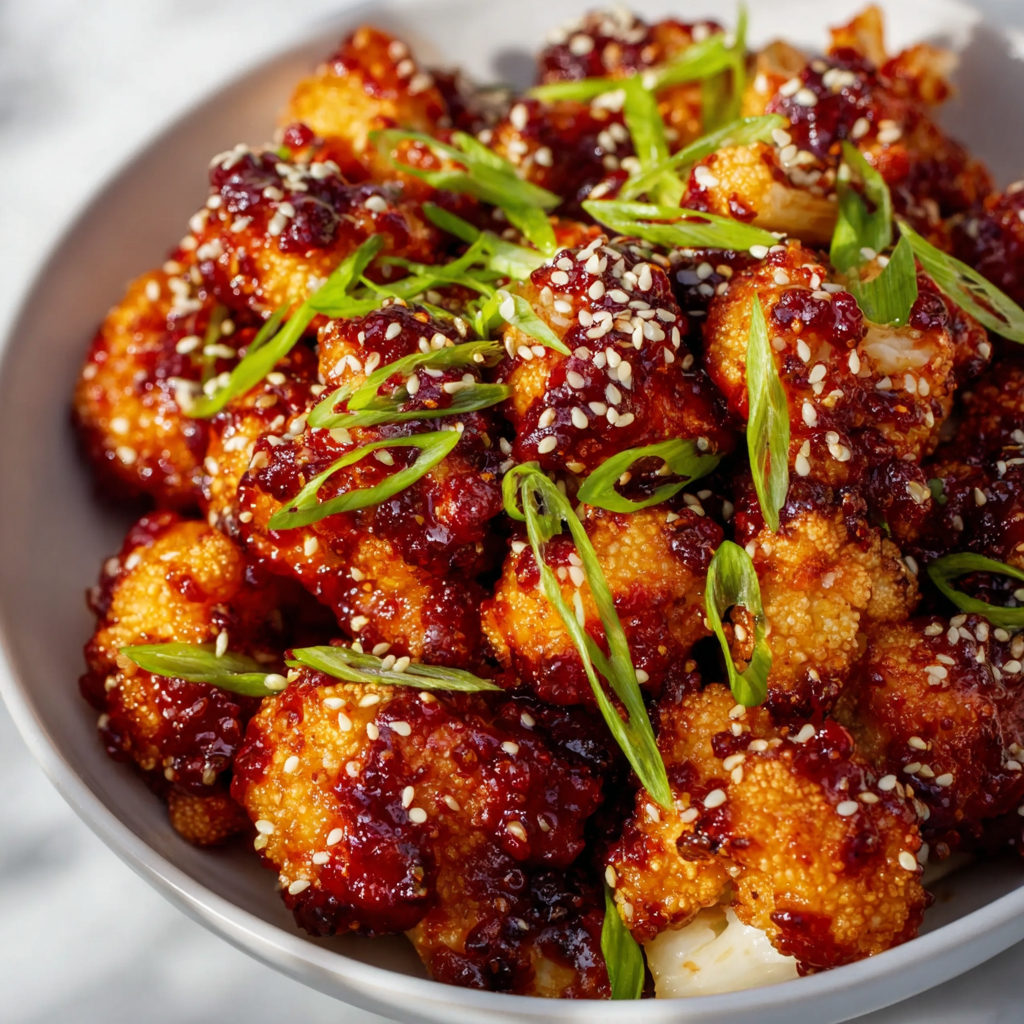
This dish draws inspiration from Korean chili flavors, particularly the signature depth of gochujang. Combined with garlic, ginger, soy sauce, and a touch of sweetness, the sauce clings beautifully to crisp cauliflower florets, creating layers of flavor in every bite. The contrast between crunchy exterior and tender interior makes this dish addictive in the best way.
Whether served as a main dish, shared plate, or centerpiece for a plant-based meal, Korean chili cauliflower delivers bold flavor without compromise. It is proof that vegan cooking can be exciting, filling, and unapologetically delicious.
Why Korean Chili Cauliflower Works So Well
The success of this dish lies in contrast. Texture, temperature, and flavor all work together to create a memorable eating experience. The cauliflower is first coated and cooked until deeply crispy, ensuring it can stand up to the sauce without becoming soggy. The sauce itself is thick, sticky, and intensely flavorful, designed to coat rather than pool.
Korean chili flavors are uniquely balanced. Gochujang provides heat and fermented depth, soy sauce adds salt and umami, garlic and ginger bring aroma, and sweetness rounds everything out. This balance ensures the dish is spicy but not harsh, rich but not heavy.
Cauliflower’s mild flavor allows these bold elements to shine without competition. Unlike some vegetables that bring their own strong taste, cauliflower absorbs seasoning readily, making it the perfect vehicle for sticky sauces.
Ingredients
- Cauliflower, cut into bite-sized florets
- All-purpose flour
- Cornstarch
- Garlic powder
- Black pepper
- Salt
- Water or plant-based milk
- Neutral cooking oil
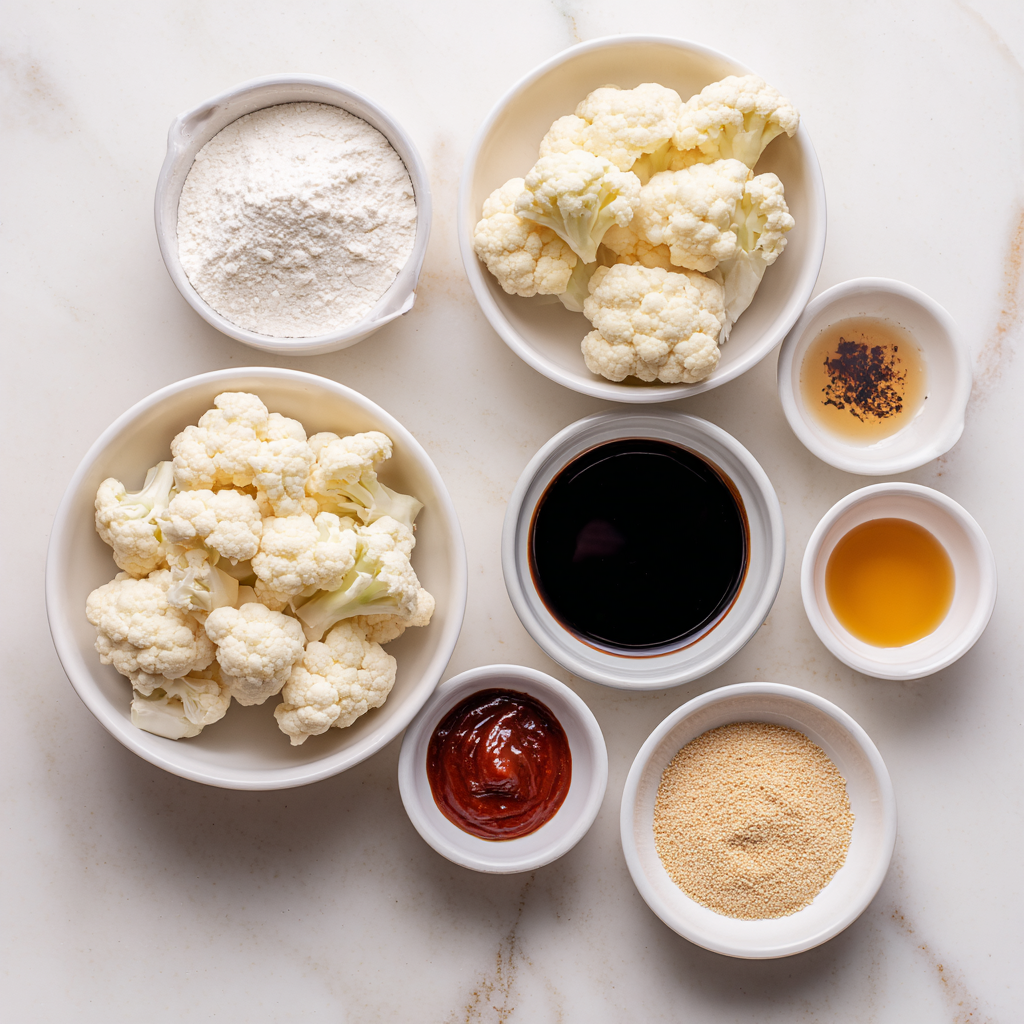
Korean Chili Sauce:
- Gochujang
- Soy sauce or tamari
- Maple syrup or brown sugar
- Rice vinegar
- Garlic, minced
- Fresh ginger, grated
- Sesame oil
For Garnish:
- Sliced green onions
- Toasted sesame seeds
Instructions
- Preheat oven to 425°F (220°C) or heat oil for frying, depending on preferred cooking method.
- In a bowl, whisk flour, cornstarch, garlic powder, salt, and black pepper. Add water or plant-based milk to form a smooth batter.
- Dip cauliflower florets into batter, coating evenly.
- Arrange florets on a lined baking sheet or carefully lower into hot oil.
- Bake for 25–30 minutes, flipping halfway, or fry until golden and crisp.
- While cauliflower cooks, prepare the sauce by whisking gochujang, soy sauce, maple syrup, rice vinegar, garlic, ginger, and sesame oil in a saucepan.
- Simmer sauce over medium heat until slightly thickened and glossy.
- Toss crispy cauliflower in the warm sauce until evenly coated.
- Garnish with green onions and sesame seeds and serve immediately.
The Secret to Crispy Vegan Cauliflower
Achieving crispiness without eggs or dairy comes down to batter composition and heat. Cornstarch is essential because it reduces gluten formation and creates a light, crackly crust. A relatively thick batter helps the coating adhere while still crisping properly.
High heat is equally important. Whether baking or frying, the cauliflower must cook quickly enough to evaporate moisture before it can soften the coating. Letting the cauliflower cook undisturbed during the first stage also encourages proper browning.
Tossing the cauliflower in sauce only after it is fully crisp ensures the coating holds its structure while absorbing flavor.
Understanding Gochujang and Korean Chili Flavor
Gochujang is a fermented Korean chili paste made from red chili powder, rice, fermented soybeans, and salt. It is spicy, savory, slightly sweet, and deeply complex. Unlike simple chili sauces, gochujang brings layered umami that forms the backbone of this dish.
Balancing gochujang with sweetness and acidity is key. Maple syrup or brown sugar softens the heat, while rice vinegar adds brightness that keeps the sauce from feeling heavy. Sesame oil rounds out the flavor with nuttiness.
This harmony is what makes Korean chili cauliflower so addictive.
Baking vs Frying: Choosing Your Method
Both baking and frying produce excellent results, and the choice depends on preference. Baking uses less oil and is easier for weeknight cooking, producing a crisp exterior with minimal effort. Frying delivers maximum crunch and a more indulgent texture.
If baking, use a wire rack on the baking sheet to allow airflow around the cauliflower. If frying, work in batches to avoid overcrowding and temperature drops.
Regardless of method, tossing the cauliflower in sauce while still hot ensures optimal flavor absorption.
Flavor Variations to Try
This recipe is highly adaptable. For extra heat, add chili flakes or gochugaru. For sweetness, increase maple syrup slightly. A splash of orange juice adds citrus depth that pairs beautifully with chili.
You can also add vegetables such as broccoli, mushrooms, or tofu, using the same batter and sauce. Each absorbs flavor differently, adding variety without changing the core recipe.
Serving Suggestions
Korean Chili Cauliflower can stand alone or be paired with simple sides. Serve it over steamed rice, tucked into lettuce wraps, or alongside noodles. It also works well as part of a larger spread with other vegetable-forward dishes.
For contrast, pair it with something fresh and cooling, such as cucumber salad or lightly dressed greens. The balance between spicy, sticky cauliflower and crisp freshness elevates the meal.
Cultural Inspiration and Modern Appeal
This dish takes inspiration from Korean chili-based sauces often used for fried chicken or street food, reimagined through a plant-based lens. It reflects the growing popularity of vegan comfort food that does not sacrifice flavor or texture.
By combining traditional Korean elements with modern cooking techniques, Korean chili cauliflower bridges cultural inspiration and contemporary dietary preferences.
Storage and Reheating
This dish is best enjoyed fresh, but leftovers can be stored in the refrigerator for up to two days. Reheat in the oven or air fryer to restore crispness. Avoid microwaving, as it softens the coating.
If reheating, add a small splash of water to loosen sauce if needed.
Why This Recipe Is a Standout
Korean Chili Cauliflower (Crispy, Sticky & Vegan) succeeds because it respects texture, flavor balance, and technique. It offers bold spice, satisfying crunch, and rich umami without animal products.
This is the kind of recipe that surprises skeptics and delights seasoned plant-based eaters alike. Crispy, sticky, and deeply flavorful, it earns its place as a modern vegan classic.
Korean Chili Cauliflower
Crispy cauliflower tossed in a sticky Korean-style chili sauce for a bold, vegan-friendly dish.
Ingredients
Equipment
Method
- Prepare batter and coat cauliflower.
- Bake or fry cauliflower until crisp.
- Simmer Korean chili sauce until glossy.
- Toss hot cauliflower in sauce and garnish.
Notes
Serve immediately for best texture.